




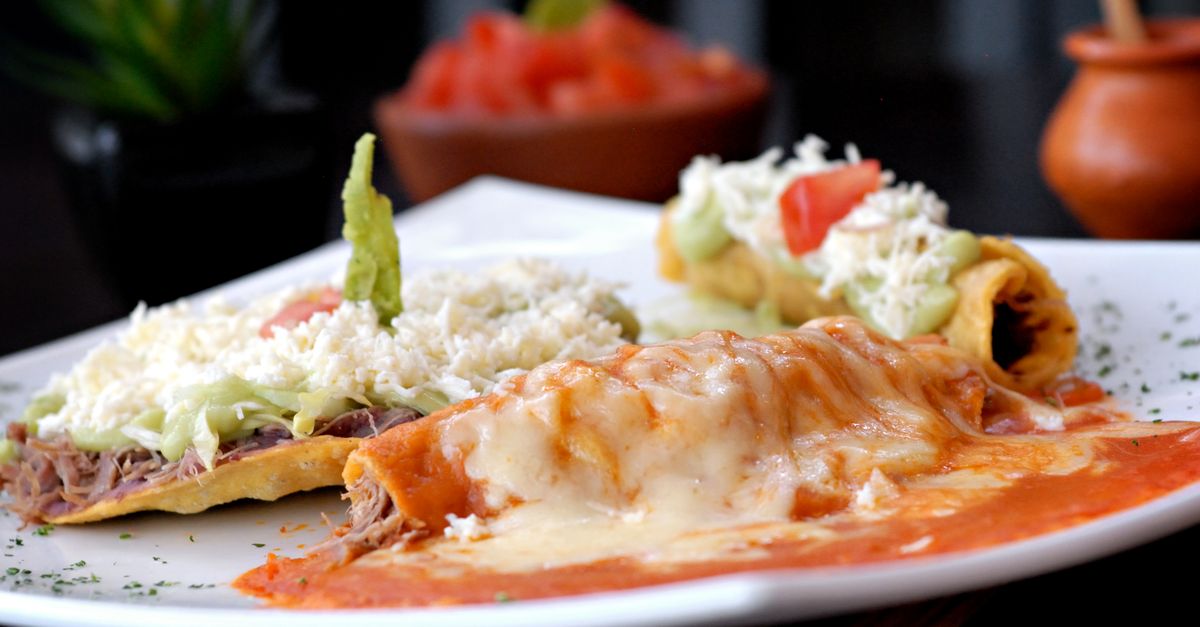
Queso gets all the attention. It earns it. But the dairy landscape of Tex-Mex and Mexican cuisine runs considerably deeper than a single cheese dip, and the restaurants getting the most out of their dairy spend are the ones using the full range of cultured and aged dairy products that belong in this cuisine and are often underutilized on this side of the border.
Crema, cotija, asadero, queso fresco, and Oaxacan cheese each do things that no other dairy product replicates. They are not substitutes for each other or for American dairy products. They are distinct ingredients with distinct functions, and using them properly is the difference between Tex-Mex that tastes authentic and Tex-Mex that tastes like an approximation of something else.
Mexican Crema: The Most Underused Finishing Dairy
Mexican crema is cultured cream, similar in concept to crème fraîche but with lower fat content, typically around 30%, and a thinner, more pourable consistency. The lactic acid cultures create a clean tanginess that distinguishes it from American sour cream, which is thicker, more acidic, and less fluid.
The functional advantage of crema over sour cream in Tex-Mex applications is its pourability. Crema drizzled over tacos, enchiladas, soups, or tostadas distributes evenly without the heavy dollop that sour cream creates. It finishes hot dishes without breaking under the residual heat the way sour cream often does. The tang is present but cleaner, which means it complements rather than dominates the surrounding flavors.
Crema also holds on a steam table longer than sour cream without separating or developing a skin. For buffet-style service or high-volume Mexican concepts, crema in a squeeze bottle or ladle station performs better operationally than sour cream throughout a long service.
If your distributor does not carry commercial Mexican crema, a practical approximation can be made by thinning crème fraîche with a small amount of whole milk to achieve a pourable consistency. The flavor profile is close enough for most applications.
Cotija: The Finishing Cheese That Changes Everything
Cotija is an aged, crumbly Mexican cheese with a sharp, salty, intensely savory flavor. It does not melt. It does not soften under heat. It functions as a finishing cheese, scattered over completed dishes to add salt, texture, and umami in the same way parmesan does in Italian cooking.
The comparison to parmesan is useful because it explains why cotija belongs at the finish rather than in the cooking. Finely grated cotija over elotes, black beans, tacos al pastor, or any of the other classic applications works because the cheese stays crumbly and distinct, adding flavor without disappearing into the dish. This textural integrity is what makes cotija irreplaceable. Salty, crumbly, aged, it reads differently from every other cheese in the walk-in.
The mistake most kitchens make with cotija is using too little. A light dusting does not register. A generous scatter that covers most of the dish surface is what delivers the impact this cheese was designed to provide. Portion it accordingly and price the menu item to reflect it.
Asadero and Oaxacan Cheese: The Melting Cheeses
Asadero is a semi-soft, mild Mexican cheese that melts smoothly and pulls into strings, making it ideal for quesadillas, stuffed peppers, and any preparation requiring a melted cheese component without the sharpness of cheddar or the heaviness of mozzarella. The flavor is clean and milky with almost no sharpness, which means it does not compete with the seasoned proteins and salsas around it.
Oaxacan cheese, also called quesillo, is a string cheese made in the same pulled-curd tradition as Italian string cheese but with a different flavor profile and a texture that melts into long, stretchy pulls rather than the smooth pool that American cheese creates. It is the correct choice for traditional quesadillas and tlayudas where the pull and stretch of the cheese is part of the eating experience.
Both cheeses are now available through specialty distributors in Texas and increasingly through mainstream foodservice channels. If your concept is serious about Tex-Mex or Mexican cuisine, carrying at least one of these melting cheeses is worth the sourcing conversation with your rep.
Queso Fresco: Fresh and Versatile
Queso fresco is a fresh, mild, crumbly cheese with very low melt capacity and a clean dairy flavor. Like cotija it finishes dishes rather than cooking in them, but the flavor is much milder and the texture is slightly moister and more delicate. It works well on dishes where cotija’s salt and sharpness would overwhelm, such as on delicate vegetable preparations, lighter fish tacos, or breakfast dishes where a fresh dairy note is what is called for rather than an assertive one.
Queso fresco has a shorter shelf life than aged cotija and needs to be ordered in quantities matched to usage. Monitor it closely and build it into menu items that ensure regular turnover rather than carrying it as an occasional garnish that sits in the walk-in between uses.
What This Means for Your Menu
The dairy toolkit in Tex-Mex and Mexican cooking is broader and more nuanced than most Texas restaurant menus reflect. Queso is the star, but crema, cotija, asadero, and queso fresco each serve specific functions that no other dairy product handles as well. Using them intentionally, where their unique properties do work that other ingredients cannot replicate, elevates the cuisine and signals to guests that your kitchen understands what it is cooking.
The cost of carrying these products is modest. The operational complexity is minimal. The payoff is food that tastes more authentically of the tradition it comes from, which is increasingly what Texas restaurant guests are looking for and willing to pay for.