

Blog

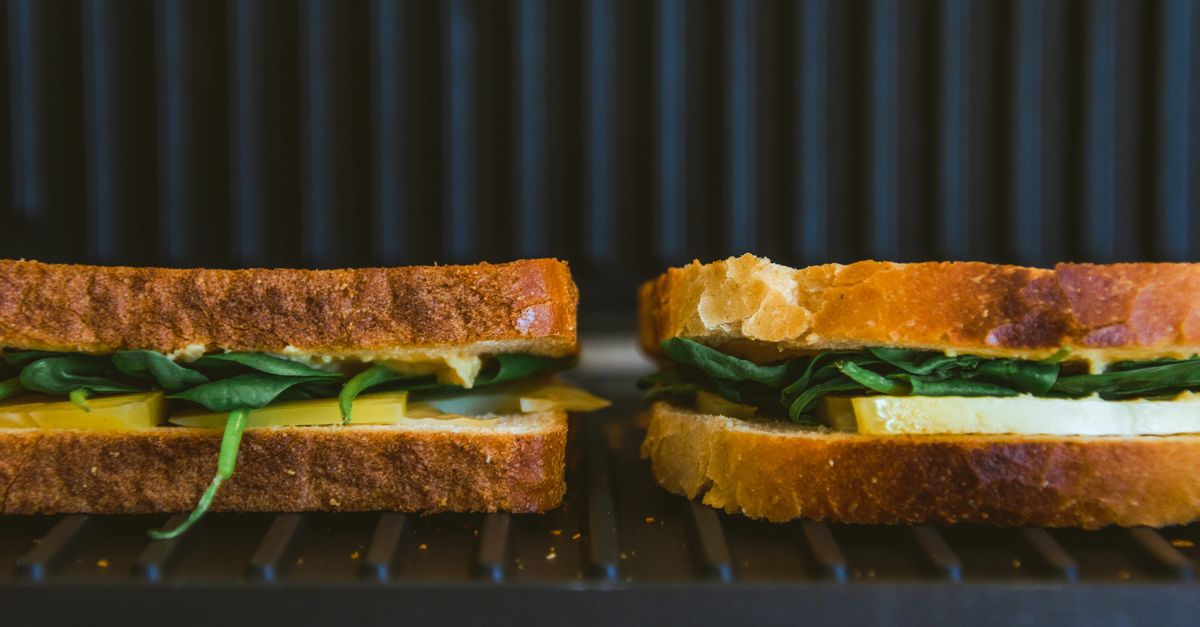
Grilled cheese sandwich

The Grilled Cheese Renaissance: How Restaurants Are Turning a Simple Sandwich into a Signature

Grilled cheese is having a serious professional moment, and not because restaurants discovered nostalgia. The combination of quality bread, considered cheese selection, and controlled cooking produces one of the most satisfying eating experiences a kitchen can deliver at a price point that generates meaningful contribution margin. The version most guests grew up with was processed cheese on white bread in a non-stick pan. The version restaurants are pricing at sixteen dollars and selling consistently is a fundamentally different product, and guests understand that the moment they take the first bite. The distance between those two experiences is what makes a well-executed grilled cheese worth building a menu around.
Continue reading

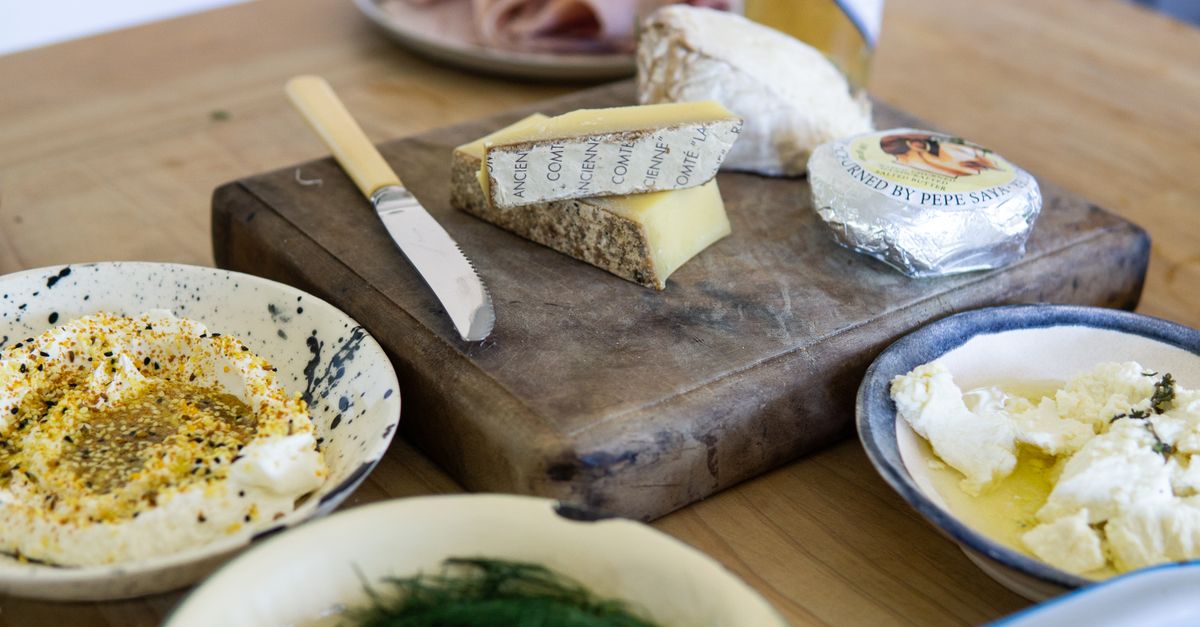
Dairy-forward dip with bread

Dairy-Forward Dips and Spreads: Expanding Your Shareable Starters Beyond Queso

Texas restaurants have exceptional command of queso. Most have stopped there. The broader category of dairy-forward dips and shareable spreads extends well beyond melted cheese into territory that is more seasonal, more versatile, and often more interesting for guests who already know your queso and order it without thinking. These preparations require minimal additional equipment, use dairy products already in your walk-in, and occupy a price point that delivers strong contribution margins while giving the table an experience worth sharing.

Continue reading

Butter-poached seafood

Butter Poaching: The Underused Technique That Transforms Proteins

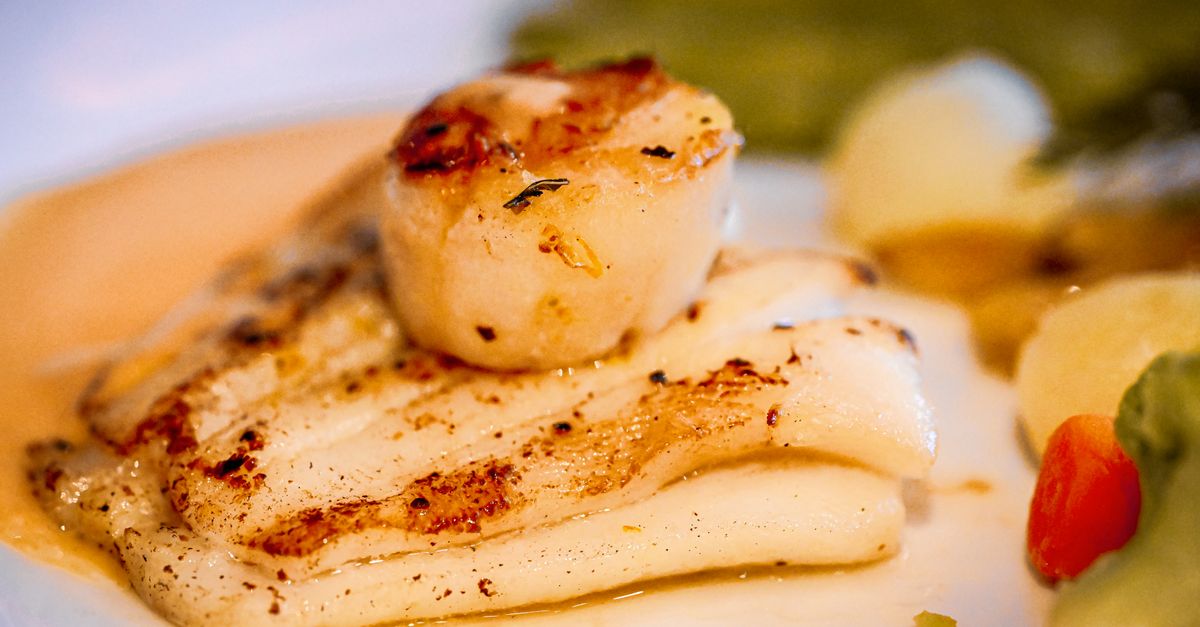
Butter poaching produces results that are genuinely difficult to achieve through any other cooking method. Proteins cooked in beurre monté develop a texture that is simultaneously tender, silky, and deeply flavored in ways that searing, roasting, and steaming cannot replicate individually. Despite delivering exceptional results across a range of proteins, the technique remains underused in most restaurant kitchens, dismissed as too labor-intensive or too technique-dependent for real-world volume. Both concerns are overstated. Butter poaching is methodical, forgiving, and extraordinarily effective once the mechanics are understood.

Continue reading

Cooking with lemon and cream

Cooking with Acid and Dairy: How Lemon, Wine, and Vinegar Affect Your Cream Sauces

Acid and dairy have a complicated relationship in the professional kitchen. Used correctly, acid brightens cream sauces, cuts through richness, and elevates the entire dish. Used incorrectly, it curdles the cream, breaks the sauce, and ruins a preparation that took time and product to build. The solution is not avoiding acid in dairy applications. It is understanding what acid does to dairy proteins so you can control the interaction deliberately rather than hoping nothing goes wrong.

Continue reading

Mascarpone dessert

Mascarpone in the Restaurant Kitchen: Applications Beyond Tiramisu

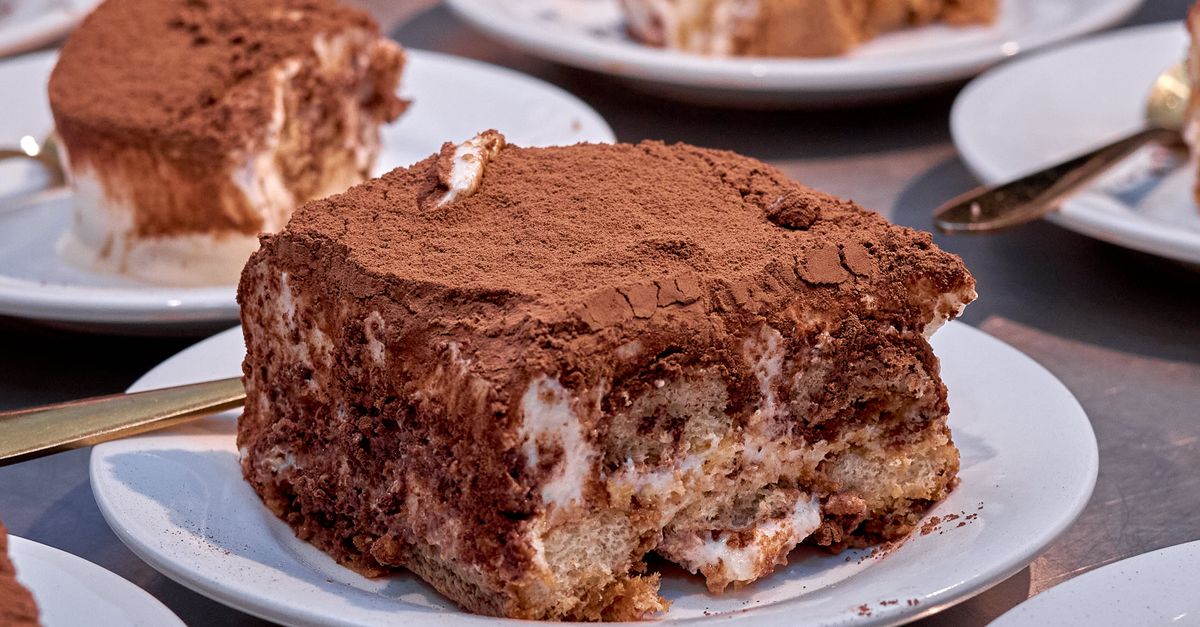
Mascarpone appears on most Texas restaurant order guides in small quantities, purchased specifically for tiramisu and used for little else. It sits in the walk-in between deliveries, handled once or twice a week for a single application, and rarely receives the creative attention a genuinely functional ingredient deserves. This is a missed opportunity. Mascarpone’s extraordinary fat content, neutral flavor, and dual behavior in hot and cold applications make it one of the most versatile dairy products in a professional kitchen, and most of its best uses have nothing to do with ladyfingers.

Continue reading

Commercial walk-in refrigeration

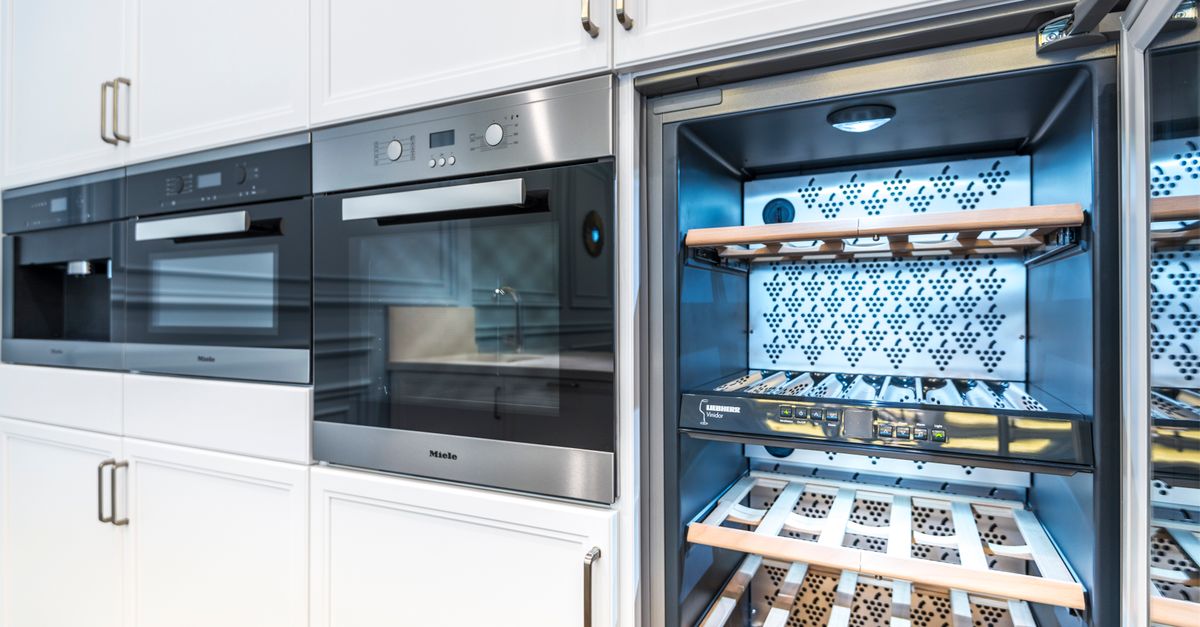
Emergency Dairy Protocols: Walk-In Failures, Missed Deliveries, and How to Respond

Dairy emergencies happen at every restaurant eventually. Walk-ins fail overnight. Deliveries do not arrive. Power goes out mid-service. A supplier issue creates a short-notice shortage of critical product. These events are predictable in category even when they are unpredictable in timing. The difference between restaurants that absorb them without service disruption and restaurants that send guests away or serve compromised food is almost entirely whether a protocol existed before the problem started.

Continue reading

Texas barbecue brisket

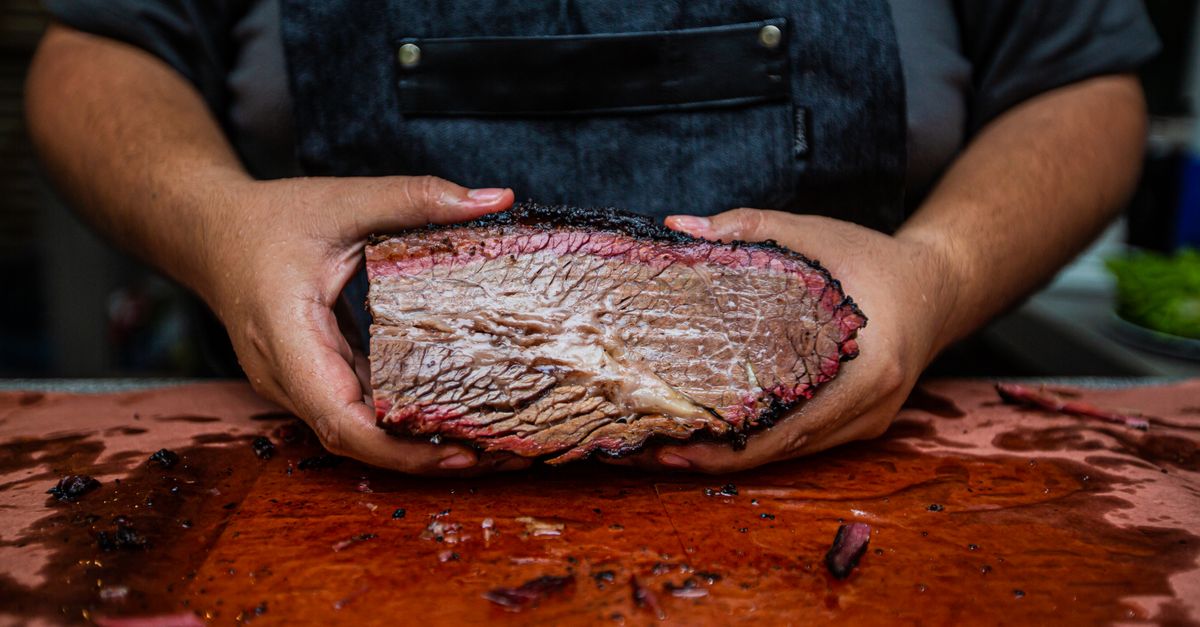
Texas BBQ Meets Dairy: Butter Basting, Cream Sauces, and the Combinations That Work

Dairy and Texas barbecue seem like an unlikely pairing until you consider what fat, smoke, and acid actually do to each other. Butter has been basting proteins over live fire for as long as there has been live fire. Cream turns smoked meat drippings into sauces that make most traditional barbecue sauces feel one-dimensional by comparison. And certain cheeses not only hold up to smoke but actively amplify it in ways that surprise guests who assumed cheese had no place at a barbecue table. The combinations that work are not attempts to soften barbecue. They are ways to extend and intensify what the smoker already produces.

Continue reading

Panna cotta dessert

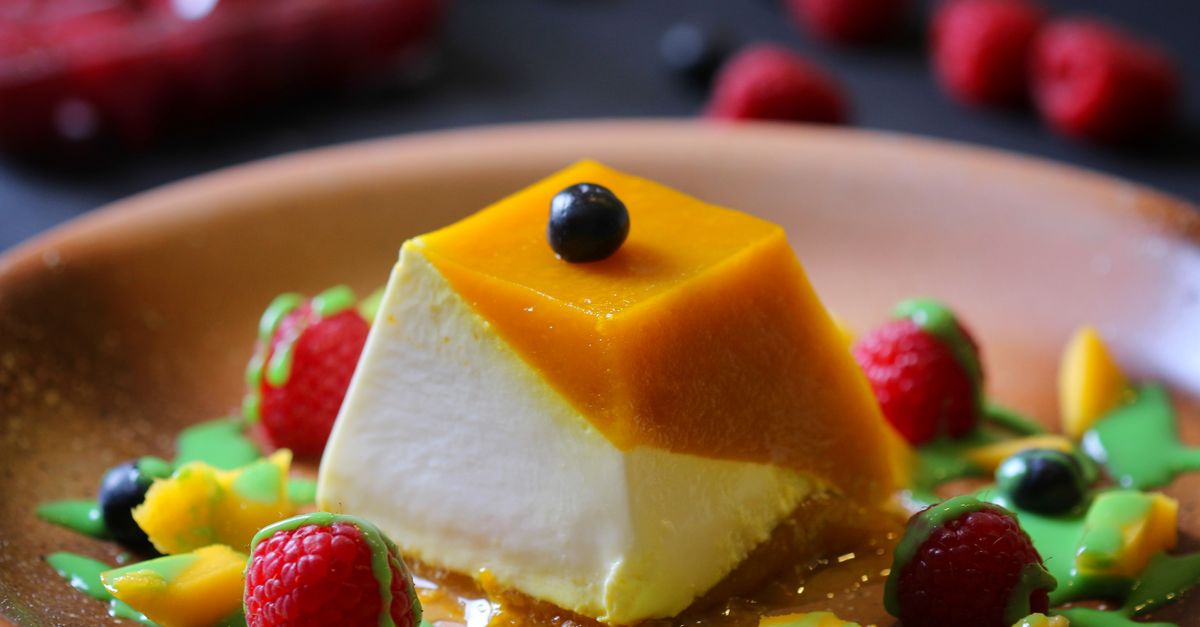
Cold Dairy Desserts at Restaurant Scale: Panna Cotta, Ice Cream, and Semifreddo

Cold dairy desserts offer some of the strongest operational characteristics of any dessert category. They can be made in advance, held properly for several days, and plated in under a minute during service. The technique barriers are modest. The ingredient costs are favorable. The guest experience is high. The challenge is not the recipe. It is building the production systems that allow consistent, scalable execution across multiple service periods without dedicated pastry staff at every station.

Continue reading

Craft cocktails at a bar

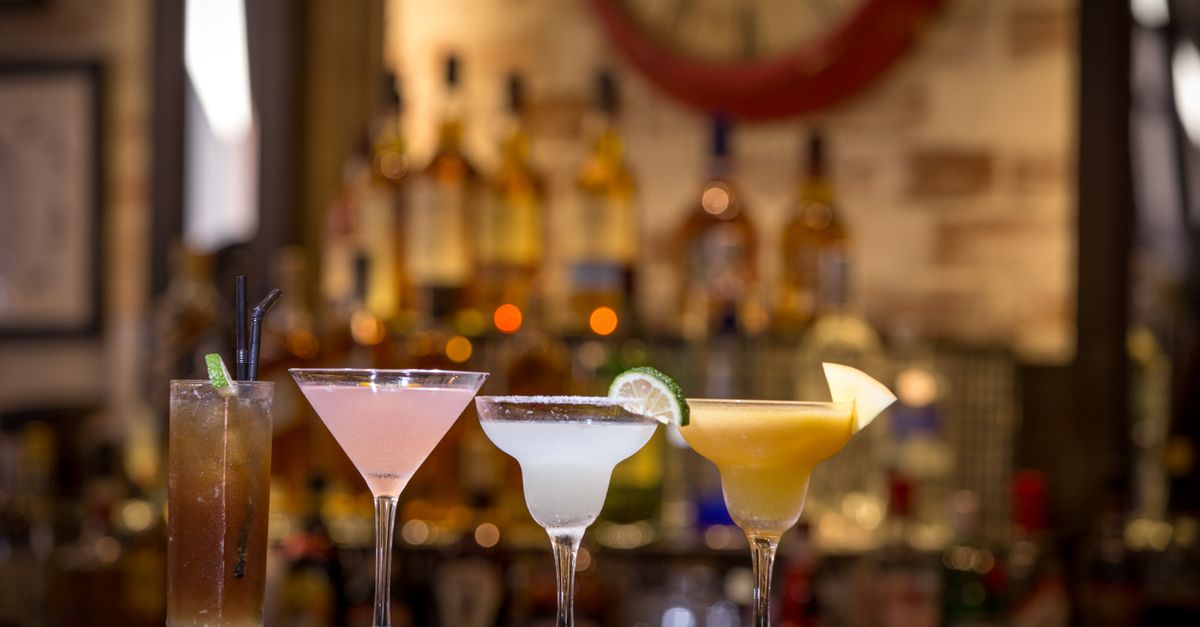
Dairy in the Bar Program: Cream-Washed Spirits, Frozen Cocktails, and Beyond

Most Texas restaurant bar programs use dairy in exactly one way: Irish cream poured over ice or into coffee. The opportunity is substantially larger. Fat-washed spirits, cream-based cocktails, dairy-forward frozen drinks, and hot dairy cocktails give your bar program something most competitors are not doing. The techniques are accessible. The ingredients are already in your walk-in. And the results create genuine menu differentiation in a category where every bar offers the same twenty cocktails.

Continue reading