



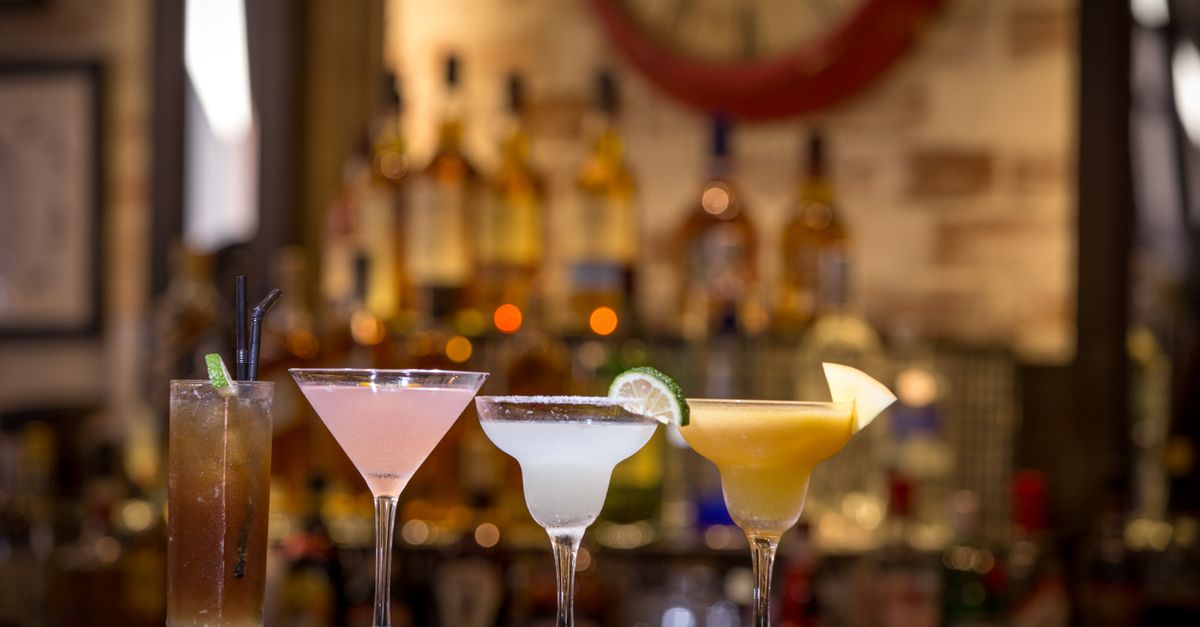
Most Texas restaurant bar programs use dairy in exactly one way: Irish cream poured over ice or into coffee. The opportunity is substantially larger. Fat-washed spirits, cream-based cocktails, dairy-forward frozen drinks, and hot dairy cocktails give your bar program something most competitors are not doing. The techniques are accessible. The ingredients are already in your walk-in. And the results create genuine menu differentiation in a category where every bar offers the same twenty cocktails.
Fat-Washing: The Technique Behind Your Most Interesting Cocktail
Fat-washing infuses a spirit with fat-soluble flavor compounds, then removes the fat through freezing and filtration, leaving the flavor behind without any fat texture in the finished drink. The result is a spirit that tastes noticeably different from its base while remaining clear and clean in the glass.
Butter-washed bourbon is the most approachable entry point. Melt four ounces of unsalted butter and combine with a full bottle of bourbon at room temperature. Let the mixture sit for four hours to allow fat-soluble compounds to transfer into the spirit. Freeze overnight. The butter solidifies on the surface and lifts cleanly away, leaving bourbon with a rounded, nutty richness that its base does not have.
Brown butter takes this further. The Maillard reaction in browned butter creates toasty, complex compounds that transfer dramatically into spirits and create something guests genuinely struggle to describe but immediately want to know more about. Brown butter-washed rum changes the entire character of a daiquiri. Browned butter-washed whiskey in an old fashioned adds a layer of warmth that makes the cocktail feel complete in a different way.
The economics of fat-washing work in your favor. Four ounces of butter washing a standard bottle spread over sixteen cocktails adds roughly fifty cents per drink to your cost while allowing you to price the cocktail at a premium of two to four dollars above your standard offerings. The markup more than compensates for the additional preparation.
Fresh Cream in Cocktails Beyond Liqueurs
Fresh heavy cream produces richer, more complex results in cocktails than pre-made cream liqueurs, which are built on shelf stability at the cost of freshness and flavor. The technique depends on the application.
Cream floats place a thin layer of lightly whipped cream on top of a spirit, coffee drink, or layered cocktail. The cream sits on the surface and creates a visual transition that guests drink through, experiencing the cream and the cocktail separately before they combine. Floats require cream cold enough to maintain some structure without being stiff enough to sit completely unmixed.
Shaken cream cocktails use cream the same way egg white gets used in many classic preparations. Two to three ounces of cream shaken hard for fifteen seconds creates a silky, frothy texture that changes how the drink feels in the mouth entirely. The classic Ramos Gin Fizz builds its entire texture from this technique combined with carbonation. Modern applications work the same mechanics with different spirits and flavor profiles.
Train your bar team to smell and taste cream before using it the same way kitchen staff should. A cocktail made with turning cream will taste wrong in ways guests notice even when they cannot identify the source. Cold cream also performs better than cream at room temperature. Keep bar cream in a dedicated container at the lowboy, not pulled from the kitchen walk-in as needed.
Frozen Dairy Cocktails for Texas Summer Menus
Texas heat creates genuine demand for frozen drinks that actually taste like cocktails rather than sugary slushies. The difference between a frozen drink worth ordering and one that is not is almost always dairy. Fat smooths the texture, carries flavor compounds, and prevents the icy granularity that makes inferior frozen cocktails feel thin.
A frozen margarita blended with a small amount of cream or finished with a cream float becomes something far more interesting than the standard version. The dairy does not make it sweet. It makes it round. Guests notice the difference even when they cannot name it.
Dairy-forward frozen cocktails, boozy shakes and frozen cream drinks, occupy legitimate menu territory in casual to mid-casual concepts where dessert cocktails close checks and earn social media photos. Bourbon and brown butter ice cream. Tequila blended with horchata and cream. Dark rum with cajeta and a touch of coffee. These are complete experiences that justify dessert cocktail pricing and generate the kind of guest excitement that translates into return visits.
Hot Dairy Cocktails for Fall and Winter Menus
Hot drinks with dairy are the most reliable check-average builders in cold weather. Guests who would not order a third glass of wine will absolutely order a hot buttered rum or a spiked Mexican hot chocolate. The comfort element overrides the typical hesitation around a third drink.
Hot buttered rum batter is the foundation. Soften butter with brown sugar, cinnamon, nutmeg, allspice, and vanilla. Roll into individual portions and freeze. During service, drop one portion into a mug, add two ounces of aged rum, and fill with hot water. Stir until the butter melts and serves. Total service time is under ninety seconds with prep done in advance. The result tastes like something that took far more effort than it actually did.
Spiked Mexican hot chocolate builds on the same principle with a different flavor profile. Make a concentrated chocolate and cream base with ancho chile, cinnamon, and piloncillo. Hold warm and spike with mezcal or tequila per order. This appeals to guests who do not drink whiskey and creates a seasonal signature that drives return visits specifically to the bar.
Menu Positioning and Pricing for Dairy Cocktails
Dairy cocktails should carry premium pricing. The ingredients cost more than standard cocktails, the technique requires more preparation, and the result is demonstrably different from what guests can make at home or order at every other bar. All three of these factors justify the premium.
A fat-washed spirit cocktail at sixteen to eighteen dollars positions correctly if the presentation and description support it. Do not bury these items in a standard cocktail list with minimal description. Feature them with specific language that creates interest. Brown butter-washed bourbon old fashioned reads very differently than standard old fashioned, even though the construction is similar. The specificity signals technique and invites questions from servers and guests.
Seasonal rotation keeps the program interesting for regulars. A spring cream float program, a summer frozen dairy menu, a fall hot cocktail list, and winter warming drinks built around butter and cream give guests who visit regularly a reason to try something new each season. This cadence also gives your team something to actively promote rather than offering the same menu indefinitely.
What This Means for Your Bar Program
Dairy in the bar program is untapped territory in the majority of Texas restaurants. The ingredients are already in your walk-in. The techniques are accessible without specialized equipment beyond a blender, a thermometer, and a willingness to experiment. And the results create differentiation that most competitors are not offering.
Even one fat-washed cocktail and one seasonal frozen dairy drink give your bar program something distinctive to discuss. In a market where every bar carries the same standard cocktail list, specificity and technique are the clearest paths to standing out. Dairy is one of the most underused tools for getting there.