



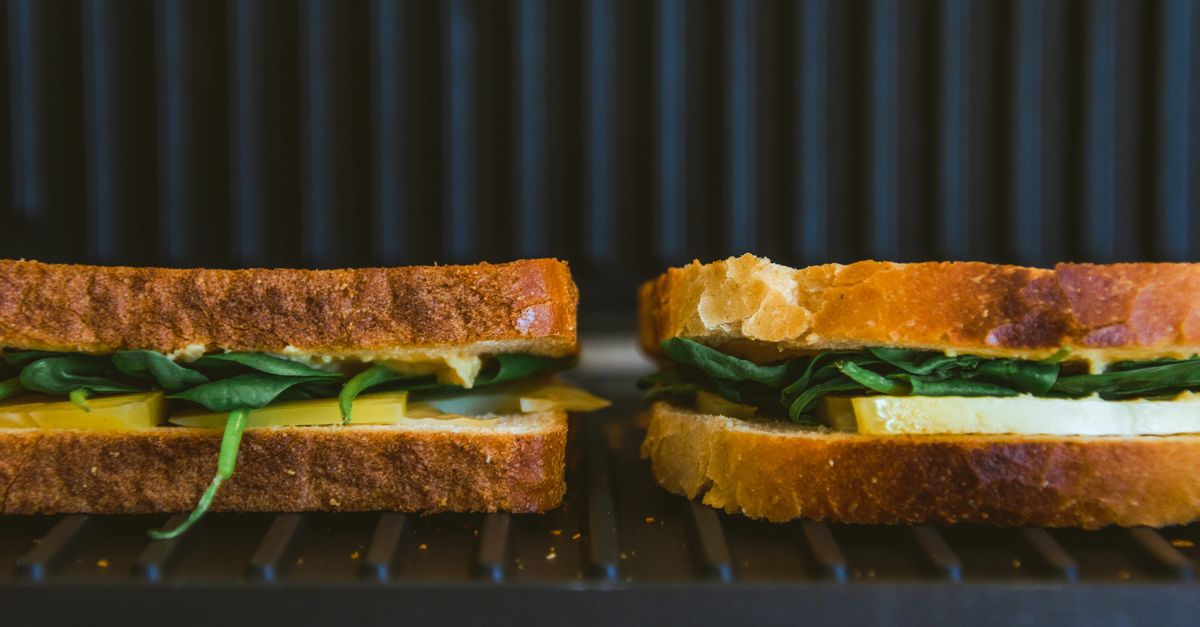
Grilled cheese is having a serious professional moment, and not because restaurants discovered nostalgia. The combination of quality bread, considered cheese selection, and controlled cooking produces one of the most satisfying eating experiences a kitchen can deliver at a price point that generates meaningful contribution margin. The version most guests grew up with was processed cheese on white bread in a non-stick pan. The version restaurants are pricing at sixteen dollars and selling consistently is a fundamentally different product, and guests understand that the moment they take the first bite. The distance between those two experiences is what makes a well-executed grilled cheese worth building a menu around.
Cheese Selection Changes Everything
The most impactful upgrade from home grilled cheese to restaurant grilled cheese is not the bread or the technique. It is using a blend of cheeses rather than a single variety. Different cheeses melt at different temperatures, stretch differently under heat, and contribute distinct flavor notes. A blend captures what no single cheese can deliver alone.
A blend that performs reliably across broad audience appeal: sixty percent gruyère for nutty, complex melt; thirty percent sharp white cheddar for distinct flavor and slight sharpness; ten percent fontina for elastic, stretchy texture. This combination creates a sandwich with clear cheese flavor, excellent melt, and the satisfying pull that makes grilled cheese visually compelling when cut.
Adjust the ratio based on concept and positioning. Adding fifteen percent blue cheese to the blend creates a completely different personality that works in upscale casual settings. Replacing ten percent of the cheddar with pepper jack adds heat that fits Tex-Mex influenced concepts without overwhelming the cheese flavor. The blend structure gives you a tool for differentiation that a single-cheese approach does not provide.
Shred cheese in-house rather than using pre-shredded product. The anti-caking agents added to commercial shredded cheese inhibit melt and create a slightly grainy texture in the finished sandwich that freshly shredded cheese does not have. This one change alone is noticeable in the final product.
Bread Selection and Exterior Preparation
Bread is not just a vessel. It contributes structural integrity, textural contrast, and flavor dimension that affects how the entire sandwich reads to the guest.
Sourdough is the most versatile option for restaurant grilled cheese. The tang complements rich, fatty cheese without competing with it. The structure holds fillings and supports assembly. The crust crisps evenly with proper butter application and creates the audible crunch that is part of the sensory experience of a great grilled cheese.
Brioche produces a softer, richer result that works for versions where the cheese selection is particularly sharp and the bread’s richness is meant to balance rather than match it. The high butter content in brioche creates exceptional browning and a baseline richness that changes the entire character of the sandwich.
Butter the exterior surfaces before the sandwich goes onto the cooking surface. Softened compound butter or high-quality plain butter spread evenly ensures consistent browning across the entire surface. Butter added to the cooking pan melts and pools unevenly, creating dark spots and pale spots rather than consistent, deep golden color. This one technique change is visible in every sandwich that comes off the line.
Temperature Control and Cooking Technique
The most common failure in grilled cheese execution is impatience. Too much heat browns the exterior before the cheese melts fully. Too much cooking speed creates a sandwich that looks done from the outside and is cold in the middle. The correct approach is medium to medium-low heat for the entire cook, with patience as the primary technique requirement.
Allow six to eight minutes per sandwich, flipping once at the midpoint, without adjusting heat or rushing. The crust should be deep golden rather than pale yellow, and the cheese should be fully molten and beginning to bubble at the edges before the sandwich leaves the cooking surface.
For high-volume service, a plancha or flat-top at a controlled temperature between 325 and 350 degrees Fahrenheit gives you more surface area and significantly better consistency than pan-by-pan cooking. The lower temperature relative to typical flat-top work is intentional. This is not a preparation that benefits from higher heat.
A brief pass under a low broiler on the open-faced sandwich before assembly is an effective technique for ensuring complete cheese melt when volume or timing creates pressure. This step guarantees the cheese is fully molten before the sandwich is closed and cut, eliminating the most common quality failure in the category.
Fillings That Add Without Overcomplicating
Additional fillings work when they add one clear dimension. More depth, textural contrast, or acidity that cuts through richness. They fail when they multiply to the point that the sandwich loses its identity as a grilled cheese and becomes something less focused.
Caramelized onions are the most reliable addition. Slowly cooked until deeply sweet and jammy, they add sweetness and umami that makes cheese flavor more pronounced rather than competing with it. Make large batches during prep and hold refrigerated. Two tablespoons per sandwich during assembly requires no additional time at service.
Thinly sliced country ham or prosciutto adds concentrated salt and savory depth that amplifies cheese rather than distraction from it. The cured meat flavor compounds with aged cheese in a way that fresh additions generally do not.
Slow-roasted tomatoes provide acidity that prevents the sandwich from feeling heavy, exactly the role fresh tomato plays in other formats. Roasted until concentrated and slightly jammy, they contribute more flavor than fresh slices and do not make the bread soggy during service the way fresh tomatoes can.
One or two fillings is the ceiling. A grilled cheese with five additions has stopped being a grilled cheese and become something more complicated that is harder to execute consistently and harder for guests to understand.
Accompaniments That Complete the Experience
A properly executed grilled cheese needs a counterpoint. The sandwich is rich, buttery, and filling on its own. The accompaniment provides the contrast that makes the plate feel complete and balanced rather than one-dimensional.
Tomato soup positioned explicitly for dipping is the canonical pairing for reasons that are both cultural and culinary. The acidity in the tomato cuts the richness in the cheese. The temperature contrast between crispy, hot sandwich and warm soup creates sensory interest that makes each element taste better alongside the other than either does alone.
A simply dressed salad with an acid-forward vinaigrette performs the same function. The acidity and freshness of greens against rich fried bread and melted cheese provides balance without the production demands of a soup program.
House-made pickles or pickled vegetables contribute acid and crunch. A pickle spear alongside a premium grilled cheese signals intentionality and elevates the perception of the entire plate. In a sandwich format where the differences between your version and a home version need to be immediately apparent, accompaniment quality is part of that communication.
Pricing and Menu Positioning
A restaurant grilled cheese should be priced between fourteen and twenty dollars depending on cheese selection, bread quality, and accompaniments included. The guest who understands food value will immediately recognize that a sandwich built with gruyère and fontina, hand-shredded, on sourdough with caramelized onions and a cup of house tomato soup is worth sixteen dollars. The price needs to be supported by every visible quality detail in the plate.
Menu description drives orders as much as price does in this category. Naming the cheeses in the blend, calling out the bread, and mentioning the accompaniment creates understanding of the value before the plate arrives. A line that reads Gruyère and White Cheddar Melt, Sourdough, Caramelized Onions, with House Tomato Soup positions the item correctly. The generic Grilled Cheese does not.
Lunch is the strongest daypart for grilled cheese in most contexts. A premium sandwich with soup or salad at eighteen to twenty dollars creates a complete lunch experience at a price guests can justify on a regular visit, building repeat traffic in a daypart where many dinner-focused restaurants significantly underperform. The frequency of repeat orders is one of the most compelling business arguments for executing this category well.
What This Means for Your Menu
Grilled cheese works as a restaurant signature when the execution distance from the home version is immediately obvious. Quality cheese selection, proper cooking technique, one or two thoughtful additions, strong accompaniments, and purposeful plating create that distance in ways guests register instinctively even when they cannot articulate them.
The investment is in technique and ingredient quality, not in exotic sourcing or specialized equipment. The dairy is already in your walk-in. The technique is learnable in one focused training session. And the result, a sandwich that makes guests think they could not make this at home, is one of the clearest drivers of repeat visits and positive word of mouth in any format at any price point.