



Hot honey is one of the most effective flavor developments to hit Texas menus in the past several years, and its staying power comes from something more than trend momentum. The combination of heat and sweetness triggers a specific sensory response that keeps guests engaged with a dish in a way that neither element achieves alone. When dairy enters that equation, the triad of heat, sweet, and fat creates balance that makes dishes genuinely craveable in ways operators can build menu strategy around.
Understanding why hot honey works with dairy, which dairy formats best carry the combination, and where on the menu this pairing creates the most revenue opportunity helps you move beyond simply drizzling hot honey on everything and into deliberate menu construction that uses the pairing where it delivers the most value.
Why Fat and Heat Create Craving
Capsaicin, the compound responsible for chili heat, binds to the same pain receptors that respond to physical heat. The brain responds by releasing endorphins and dopamine, which creates a mild euphoric response that keeps people reaching for more of the thing causing the sensation. This is why spicy food creates craving rather than avoidance in people who enjoy it.
Fat interrupts this cycle in a specific way. It does not eliminate the heat but moderates it, allowing guests to experience the full flavor of the chili before the heat resolves through the fat. This is why dairy is the traditional accompaniment to spicy food across dozens of culinary traditions. The fat in dairy slows the capsaicin cycle without ending it, which creates a more pleasurable overall experience.
Honey adds the sweet counterpoint that makes this combination specifically effective. Sweetness amplifies the perception of heat while simultaneously providing contrast that makes both elements more noticeable. When dairy, heat, and sweet occur together, each makes the others more perceptible, which is the sensory mechanism behind why this combination works so well.
Cheese and Hot Honey: The High-Value Application
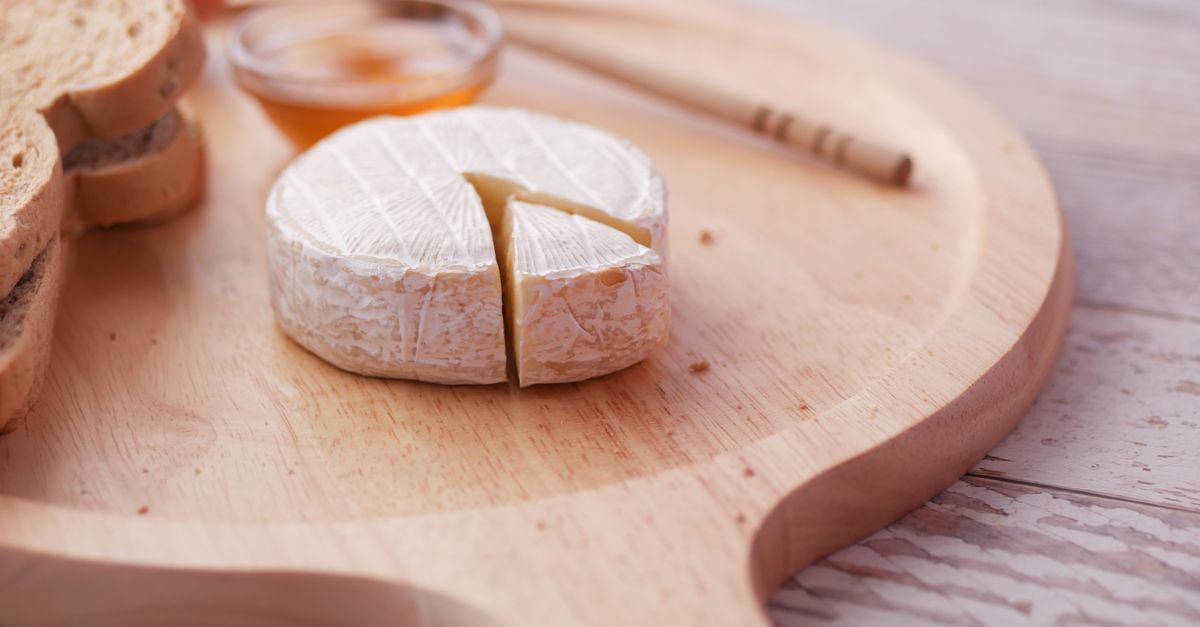
The cheese course is where hot honey and dairy earns the most revenue. A drizzle of hot honey over a cheese board, or over a specific cheese as a composed element, is one of the most effective and low-cost ways to elevate a shareable menu item that already carries strong margins. The visual appeal of glossy, amber honey over cheese photographs well and creates the kind of social media content that drives orders.
The pairing works particularly well with aged, semi-firm cheeses where the salt and funk of the cheese plays against the sweet heat of the honey. Sharp cheddar, aged manchego, aged gouda, and blue cheese all have enough character to hold their own against hot honey without being overwhelmed. Fresh, mild cheeses like mozzarella or queso fresco work better with a lighter application where the honey flavor is more prominent than the heat.
For cheese boards specifically, include hot honey as a standard component rather than an optional addition. Train servers to describe the pairing rather than assuming guests will discover it on their own. The combination drives reorders and generates the kind of guest enthusiasm that leads to social sharing.
Pizza and Flatbread Applications
The post-bake hot honey drizzle on pizza has become so established that it signals a certain level of culinary awareness without feeling overdone. The combination works because the fat in the cheese moderates the honey’s heat while the cheese’s salt and umami amplify the honey’s sweetness. The result is a finish that makes the pizza more interesting without changing its fundamental character.
For Texas restaurants, the application extends to flatbreads and handheld formats that are native to the market. A flatbread with ricotta or whipped goat cheese, prosciutto or crispy salami, and a finish of hot honey is a complete menu item that balances richness, salt, fat, and heat in a format that works for lunch, happy hour, or as a shareable appetizer. The dairy component here is the foundation that makes the hot honey coherent rather than dominant.
Dairy-Forward Desserts with Hot Honey
The dessert application is the most unexpected and often the most memorable. Vanilla ice cream with hot honey is a simple combination that delivers genuine impact because the dairy fat in the ice cream creates a slow release of the honey heat as the ice cream melts. The experience changes over the course of eating the dessert, which keeps guests engaged and creates the kind of talking point that drives return visits.
Panna cotta with a hot honey finish works on the same principle. The jiggly, neutral dairy base creates a vehicle for the hot honey to pool and penetrate, which means each bite delivers dairy, sweet, and heat in proportions that change depending on where the spoon lands. This variation is engaging in a way that uniform preparations are not.
Whipped ricotta or labneh with hot honey and fresh fruit is a brunch or dessert item that requires almost no labor, carries excellent margins, and photographs in a way that drives social sharing. The dairy provides the creamy base, the fruit provides brightness, and the hot honey provides the finish that makes it distinctive.
What This Means for Your Menu
Hot honey and dairy is not a trend to chase. It is a flavor combination grounded in sensory science that works consistently across applications and price points. The restaurants getting the most value from it are the ones using it in the formats where dairy can do its job of moderating heat and creating the fat-sweet-spice balance that makes the combination craveable rather than just novel.
Start by identifying the two or three places on your current menu where the combination fits naturally without forcing a format change. Cheese boards, pizza or flatbread, a single dessert application. Execute those consistently, train your team to speak about the pairing, and evaluate the response before expanding. The pairing earns its place through results, not through how many menu items it appears on.