




The finish is where a dish either comes together or falls short. The difference between a sauce that tastes bright and cohesive and one that tastes flat and heavy often comes down to what dairy fat gets added in the final thirty seconds before it leaves the kitchen. Butter, cream, and crème fraîche each do something different at this stage, and using the wrong one, or using any of them incorrectly, produces a result that undermines all the work that came before.
Most kitchens approach finishing dairy by habit rather than by intention. Butter goes in everything off heat because that is what the recipe says. Cream gets added when a sauce looks too thin. Crème fraîche appears when someone wants something to sound more refined. This approach misses the functional distinctions between these products and the specific situations where each one excels.
Butter: Richness, Gloss, and Emulsification
Cold butter added off heat to a hot sauce through the technique known as mounting or monter au beurre does three things simultaneously. It adds fat for richness. It creates a glossy, light-catching sheen. And it emulsifies the sauce into a cohesive, silky texture that coats the palate evenly rather than sitting as separate fat and liquid components.
The critical variable is temperature. Butter mounted into a sauce that is too hot breaks immediately, separating into grease and liquid. The sauce temperature when you add butter should be between 140 and 160 degrees Fahrenheit, hot enough to melt the butter but not so hot that the emulsion cannot form. Add butter cold, cut into pieces, and swirl or whisk constantly as it melts. The technique requires practice to execute consistently under service pressure, but the result is a sauce that looks and tastes significantly more professional than one finished at the wrong temperature.
Butter finishing works best in wine-based pan sauces, classic French reductions, and any sauce where you want richness and gloss without adding significant body. It does not add flavor complexity beyond the clean dairy character of good butter, which is why the quality of the butter matters. A finishing sauce is not the place for low-quality butter.
Cream: Body, Stability, and Heat Tolerance
Cream added at the finish does something different from butter. Where butter adds gloss and emulsification, cream adds body and texture. A sauce finished with cream becomes thicker and more stable, which helps it hold through plating and the time between when a dish is finished and when it reaches a guest.
Heavy cream is the correct choice at the finish. Its higher fat content creates a more stable addition to a hot sauce than half and half or light cream, both of which are more likely to curdle or thin unpredictably. Add cream while the sauce is still over low heat, bring it to a brief simmer to integrate, then reduce to the desired consistency before plating.
Cream works best as a finish when you want to pull a sauce together without the specific technique of butter mounting. Pasta sauces, bisques, and any preparation where a creamy body is the desired result rather than a glossy coating benefit from a cream finish over a butter finish. The two can also be used in sequence, cream first to add body, then butter off heat to add gloss, which produces a sauce that has both qualities.
Crème Fraîche: Tang, Richness, and Temperature Stability
Crème fraîche is the finishing dairy product that most kitchens underuse, and it does something neither butter nor cream achieves at the finish. The lactic acid cultures in crème fraîche create a tangy, bright note that lifts a sauce or soup without the acidic sharpness of lemon juice or vinegar. The fat content, typically 28 to 30%, provides richness comparable to heavy cream. And critically, crème fraîche is more stable at high temperatures than sour cream, making it a viable finish in hot preparations where sour cream would curdle.
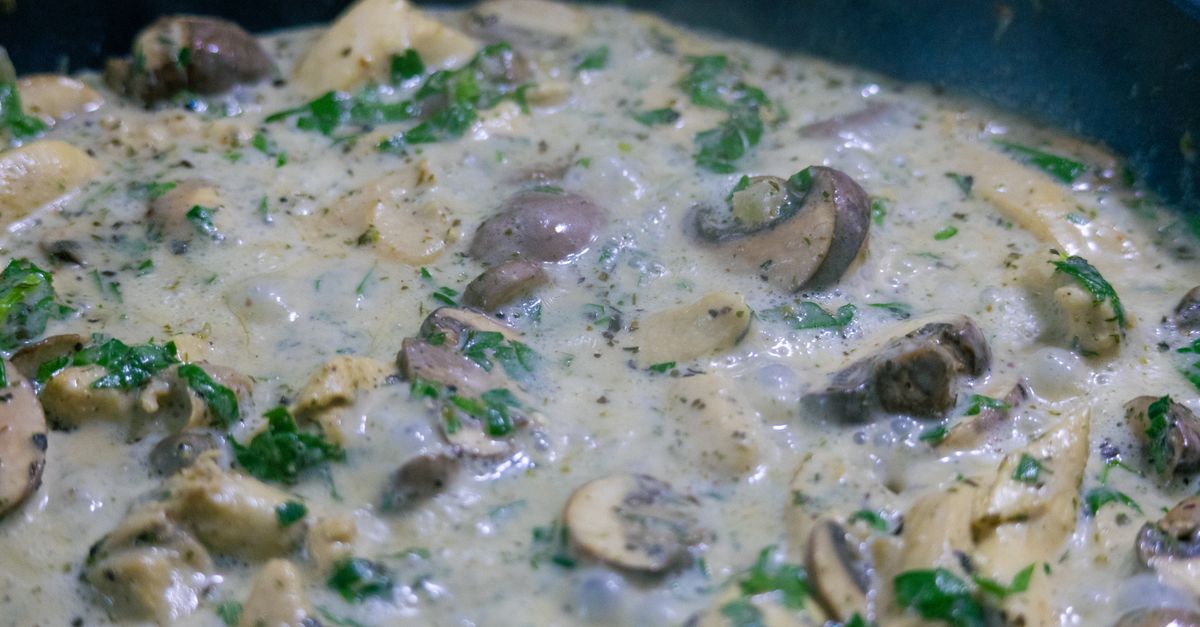
Use crème fraîche as a finish when a sauce or soup needs brightness and richness simultaneously without additional acid. Cream of tomato soup finished with crème fraîche gets richness from the fat and lift from the tang without needing additional lemon or vinegar. A mushroom sauce finished with crème fraîche takes on a depth that butter alone does not provide. The cultured character bridges the gap between the earthy base flavors and the fat finish in a way that neither butter nor plain cream achieves.
Add crème fraîche off heat or over very low heat and whisk to integrate. Unlike sour cream, it will not break under moderate heat, but high heat still risks separation. The technique is forgiving compared to butter mounting but still requires attention to temperature.
Reading the Dish to Choose Correctly
The decision between butter, cream, and crème fraîche at the finish should be based on what the dish needs, not on habit. If the sauce needs richness and gloss but is already well-seasoned and has sufficient body, butter is the right finish. If it needs more body and stability through service, cream is the right choice. If it needs both richness and a brightness that brings the flavors into focus without additional acid, crème fraîche earns its place.
Train your team to taste sauces at the finish stage and ask what is missing rather than defaulting to butter because that is always what gets added. A sauce that tastes flat might need acid from crème fraîche rather than richness from butter. A sauce that needs body might need cream rather than additional reduction that concentrates the flavors too aggressively. The finish is where intentional cooking happens, and the choice of dairy fat is the most intentional decision at that stage.
What This Means for Your Kitchen
Understanding the functional differences between butter, cream, and crème fraîche at the finish stage elevates the quality of every sauce that leaves your kitchen. These are not interchangeable products applied by habit. They are tools with specific functions that produce different results in different situations. Building this understanding into how your team approaches the final stage of sauce work raises the floor on your food quality and gives your cooks the vocabulary to troubleshoot sauces that are not performing rather than just adding more of whatever is closest.