




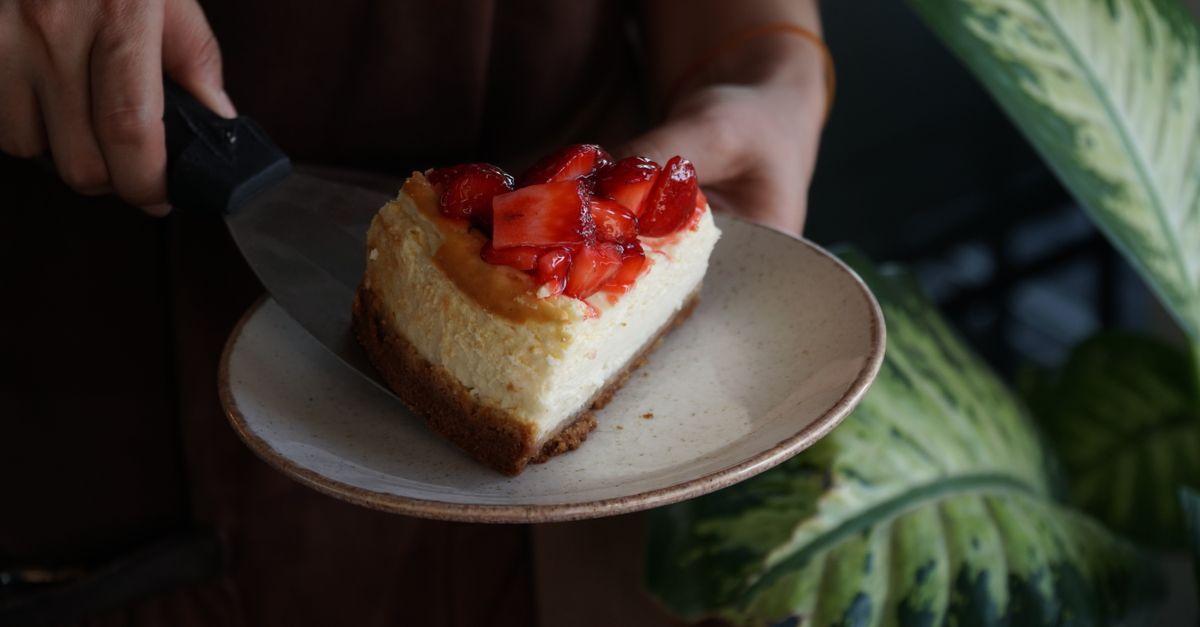
The word cheesecake carries strong expectations. Sweet, creamy, dessert. Those expectations are exactly what makes the savory version such an effective menu play. When a guest orders something that looks like a cheesecake slice but arrives with a smoked brisket topping or a roasted pepper and herb filling, the gap between expectation and experience creates a memorable moment that drives the reorder and the social post that your marketing team did not have to pay for.
Savory cheesecakes are not a new concept in professional kitchens, but they remain genuinely novel to most Texas restaurant guests. The format is inherently shareable, the food cost is manageable, and the dairy-forward base creates a neutral canvas for an almost unlimited range of flavor directions. Done well, a savory cheesecake is one of the most distinctive items a Texas restaurant can put on a bar menu or appetizer list.
The Base: Cream Cheese Is Non-Negotiable
Full-fat cream cheese is the structural and flavor foundation of a savory cheesecake, and substitutions compromise both. The fat content and protein structure in cream cheese create the dense, sliceable texture that distinguishes this preparation from a mousse or a terrine. Lower fat cream cheese produces a softer, less stable set that does not hold through plating and service. Ricotta blends can supplement but should not replace cream cheese as the primary dairy in the base.
A basic savory cheesecake base combines two pounds of softened cream cheese with four eggs, half a cup of sour cream or crème fraîche, and seasoning. The sour cream adds slight tang and helps with texture. The eggs provide structure. Seasoning at this stage should be restrained because the toppings and crust will add their own salt and flavor. The base needs to be cohesive and creamy, a neutral background that amplifies whatever goes on top of it.
Beat the cream cheese until completely smooth before adding other ingredients. Any lumps at this stage remain in the finished product. Fold eggs in gradually rather than beating them in vigorously, which incorporates air that creates bubbles in the finished slice. Bake in a water bath at 325 degrees Fahrenheit until set, using the same gentle shake test as crème brûlée. The center should wobble slightly when the pan moves but the edges should be fully set.
The Crust: Where Texas Flavors Enter
The crust is where a savory cheesecake announces its concept. A standard graham cracker crust is the wrong foundation for a savory preparation. It reads as dessert before the first bite and clashes with savory toppings. The crust should be built from ingredients that signal the flavor direction of the finished dish.
For a Texas barbecue-influenced cheesecake, a crust made from crushed corn tortilla chips pressed with rendered beef fat or butter creates a foundation with the right flavor and textural character. For a Mediterranean direction, a crust of toasted pine nuts, herbs, and olive oil-soaked breadcrumbs works well. For Tex-Mex positioning, a crust incorporating masa harina and pepitas creates a distinctly regional flavor that supports the filling and toppings.
The crust needs enough fat to bind and enough structure to support slicing. Press it firmly and bake it briefly before adding the filling to set the structure. A crust that has not been pre-baked tends to soften under the weight of the filling and breaks on the first cut.
Topping and Filling Directions That Work in Texas
The most effective savory cheesecake concepts for Texas restaurants connect to ingredients and flavors already present on the menu. This keeps food cost manageable because toppings come from existing inventory, and it creates conceptual coherence that makes the menu item feel intentional rather than arbitrary.
Smoked brisket with pickled red onion and a drizzle of smoked pepper crema plays to Texas barbecue identity and creates a shareable appetizer that drives beverage sales. The richness of the cream cheese base and the fat of the brisket pair well with cold beer or a bourbon cocktail, which matters for bar program revenue.
Roasted poblano and corn with crumbled cotija and Mexican crema creates a Tex-Mex direction that fits naturally into restaurants already working in that space. The roasted peppers add smokiness that complements the cream cheese richness, and the cotija provides the salt and texture contrast that makes the dish interesting through the whole portion.
Wild mushroom with fresh thyme, caramelized onion, and aged gouda shaved on top positions the dish at a more upscale price point and appeals to guests looking for a vegetarian-forward option with genuine flavor complexity. The umami from the mushrooms and aged cheese creates depth that most vegetarian bar menu items lack.
Service and Holding
Savory cheesecakes can be made up to two days in advance and held refrigerated, making them excellent prep candidates that reduce service labor. Slice into individual portions during prep and plate to order with toppings added fresh. For warm toppings like brisket or sautéed mushrooms, finish the topping to order rather than portioning it in advance.
Serve at cool room temperature rather than cold from the walk-in. A cheesecake that has been refrigerated for several hours needs fifteen to twenty minutes at room temperature before the texture is optimal. Plan your pull times accordingly rather than serving it straight from the cooler.
What This Means for Your Menu
Savory cheesecake is one of the most genuinely distinctive options a Texas restaurant can add to a bar menu or appetizer list without requiring new equipment, specialized technique, or ingredients outside the normal dairy and protein inventory. The dairy foundation is straightforward. The customization through crust and topping creates the differentiation. And the format, visually surprising and inherently shareable, generates the kind of guest reaction that markets itself.
Price it accordingly. This is not a standard appetizer. It is a signature item that deserves pricing at the top of your appetizer range. The food cost supports it, the differentiation justifies it, and the experience delivers on it.