



Texas restaurant guests are paying more for cheese than they were five years ago, and they are doing it voluntarily. The premium cheese market has grown significantly across the state’s major markets, driven by guests who have developed genuine knowledge and preference for specific cheese types, producers, and aging profiles. This shift creates menu opportunity for operators willing to invest in understanding what is driving guest willingness to pay and how to position premium cheese in a way that captures that value.
This is not about adding more expensive cheese to your menu and hoping guests notice. It is about understanding the specific elements of premium cheese that guests find valuable and communicating those elements in ways that justify the price and create the experience guests are seeking.
What Premium Means to Texas Restaurant Guests
Research and sales data from Texas cheese programs consistently point to three drivers of premium cheese purchasing: provenance and story, texture and aging complexity, and the experience of discovery. Guests who pay more for cheese want to feel like they are getting something they could not simply pick up at a grocery store. That differentiation can come from where the cheese is made, how it is aged, or simply from a server who can speak knowledgeably about what makes a specific selection worth choosing.
Texas-made cheeses have benefited from a strong local sourcing narrative that resonates with the state’s pride-of-place culture. Producers in the Hill Country, Caprock region, and South Texas are making cheeses that are genuinely distinctive, not just locally sourced versions of commodity cheese, and the restaurant menus featuring them with producer attribution are generating the kind of guest engagement that drives repeat orders and word-of-mouth.
Imported cheeses continue to carry premium positioning through the combination of aging tradition and product rarity. A properly aged Manchego, an authentic Comté, or a cave-aged Gruyère is not something most guests buy for home use. Offering it in a restaurant, especially when paired thoughtfully and described compellingly, delivers the discovery experience that converts a cheese order into a memorable moment.
Aged Cheeses vs. Fresh Cheeses: Different Premium Logic
The premium pricing logic for aged and fresh cheeses operates differently, and understanding this distinction helps with both sourcing and menu pricing decisions.
Aged cheeses command premiums because of the time, skill, and storage investment required to develop complex flavor. A three-year aged cheddar costs more to produce than a three-month version because the cheese has been held, tended, and maintained for three years. That investment is real, the flavor difference is real, and guests who taste it understand why the premium exists. The story is straightforward and sellable.
Fresh cheeses command premiums through quality of milk, production method, and terroir. A fresh chèvre from a small-batch producer using milk from a specific goat herd has a different flavor than a commercial version made from pooled milk at industrial scale. The premium here is about ingredient quality and production care rather than time, which requires different language to communicate but is equally valid as a value justification.
Building Premium Cheese Revenue
The cheese course positioned between entrée and dessert is the highest-margin format for premium cheese revenue in full-service restaurants. It extends the table, drives wine sales, and creates an opportunity for genuine guest engagement through the selection and pairing conversation. Training your service staff to initiate the cheese course conversation confidently, with specific descriptions and pairing suggestions, is the difference between a cheese program that drives revenue and one that sits on the menu as an option nobody orders.
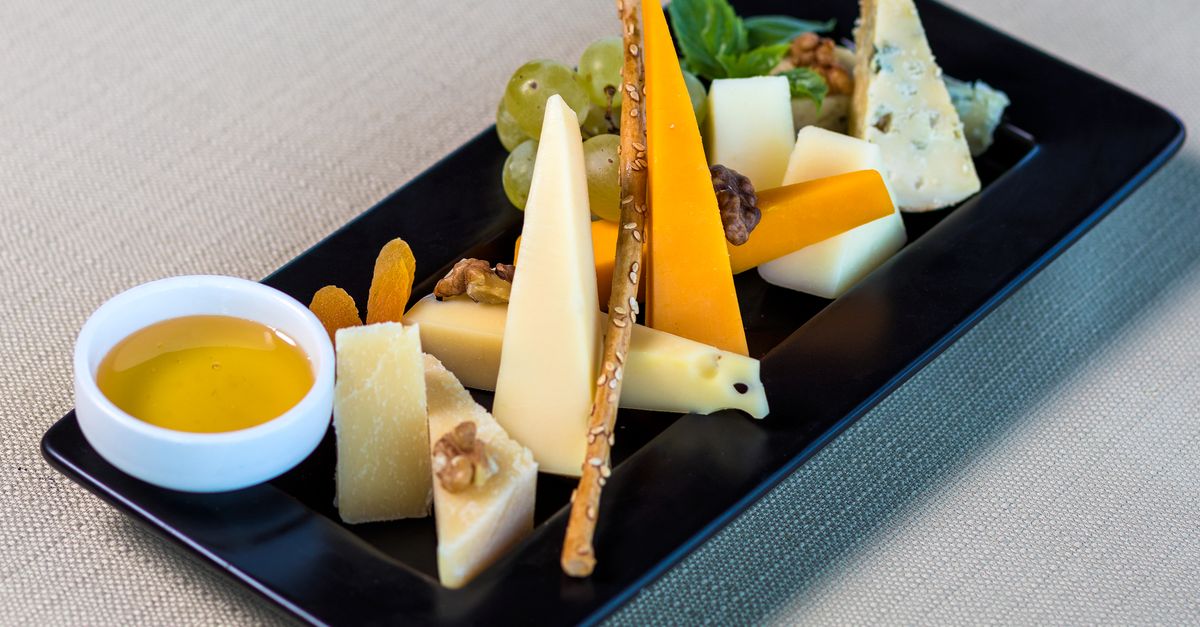
Cheese boards for the bar and shareable starter formats work in casual and bar-forward concepts where the sit-down cheese course format would feel mismatched. The board format at these price points, twenty-five to forty dollars depending on market and selections, generates strong margin because the food cost is manageable and the format encourages beverage pairing that adds to check averages.
Sourcing and Supplier Relationships
Premium cheese sourcing requires distributor relationships that go beyond commodity dairy supply. Your dairy distributor’s ability to access specialty and artisan cheese producers, provide freshness and provenance information, and assist with seasonal availability planning determines how well your cheese program can execute on the quality promise that premium pricing requires.
Work with your rep to identify two or three producers whose stories connect with your concept and whose products perform consistently. Rotate a seasonal selection to create newness while anchoring the board with reliable standbys that guests come to associate with your program. This combination of consistency and discovery is what keeps cheese board sales strong over time.
What This Means for Your Menu
The premium cheese opportunity in Texas is real and growing. Guests have developed preferences and knowledge, they are spending money on cheese experiences in other contexts, and they are ready to engage with thoughtful cheese programs in restaurants. The operators who capture this spending are the ones who invest in supplier relationships that provide access to distinctive products, train their service teams to sell cheese with genuine knowledge and enthusiasm, and price their offerings in ways that reflect the value of the experience rather than just the ingredient cost.