



Pricing dairy-heavy items is where many restaurants quietly bleed margin without realizing it. Cream prices swing seasonally. Butter costs fluctuated forty percent between 2022 and 2024. Cheese prices track dairy markets that move independently of your other food costs. If your pricing was set when dairy was cheaper and has not been adjusted since, your margin on those items has eroded while everything else stayed the same. The problem is not that dairy got expensive. It is that pricing decisions did not keep pace.
Start With True Food Cost, Not Invoice Cost
Most restaurant food cost calculations stop at the invoice. You bought a gallon of cream for five dollars, so your cream cost is five dollars per gallon. But that number ignores yield loss, portioning inconsistency, and spoilage, all of which raise your actual cost per usable ounce above what the invoice shows.
The correct calculation is invoice cost divided by yield percentage. If you buy cream at five dollars per quart but waste fifteen percent through spoilage and portioning errors, your true cost per usable quart is closer to five dollars and ninety cents. Multiply that distortion across every dairy item on your menu and you are working with cost numbers that consistently understate reality.
Run this calculation for every dairy product in your kitchen once. Cream, butter, cheese, buttermilk, all of them. The numbers will almost always be higher than your invoice suggests. That gap is where your margin disappears.
Price to Your Target Food Cost, Not Competitor Pricing
The instinct when pricing menu items is to check what competitors charge and position relative to their prices. For commodity items this works. For dairy-heavy items where your actual costs vary significantly from their actual costs, it creates pricing that has no relationship to your real economics.
Most restaurants target twenty-eight to thirty-two percent food cost on entrees and twenty-five to twenty-eight percent on appetizers. Cheese boards and well-constructed cream pasta dishes can hit twenty-two to twenty-six percent food cost when portioned correctly. But that requires working backward from the target, not forward from a competitor’s menu.
Set your target. Calculate your true ingredient cost. Divide by the target percentage to find your minimum menu price. Then evaluate whether that price fits your market positioning. This sequence produces prices that work. The reverse sequence produces prices that feel right until quarterly food cost review reveals the problem.
Account for Dairy Volatility in Your Buffer
Unlike shelf-stable ingredients where costs change gradually, dairy prices can move significantly within a single quarter. A cream sauce pasta priced at thirty percent food cost when cream cost four dollars per quart runs at thirty-four percent when cream costs four dollars and fifty cents without any adjustment on your end.
Build a buffer into dairy-heavy items by pricing them two to three percent below your food cost ceiling rather than exactly at target. This gives you room to absorb modest price increases before items become unprofitable. When prices spike beyond the buffer, you have a clear trigger for a price adjustment rather than discovering the problem weeks later.
Review dairy-heavy items quarterly at minimum. Pull your current dairy costs, recalculate food cost at current prices, and compare to your target. Adjust prices before the gap becomes painful rather than after. Quarterly reviews are not excessive for a category with this much price volatility.
Portion Control Is Pricing Discipline
The best-priced item on your menu fails if portions are inconsistent. One cook using four ounces of cream in a sauce and another using six ounces creates a fifty percent variance in that ingredient’s cost with no corresponding change in menu price. At scale, this inconsistency destroys the pricing model regardless of how carefully the menu price was set.
Standardize portions for every dairy component. Measured ladles for cream-based sauces. Portion cups for cream at prep stations. Weight specifications for cheese rather than visual estimation. These systems feel like unnecessary overhead until you compare the food cost of kitchens that use them against those that do not.
Train your team to understand that portioning is pricing. Using six ounces of cream in a dish priced for four ounces is not generosity. It is a choice to charge guests less than the dish actually costs. When everyone understands the financial mechanics, compliance improves.
Sell the Margin, Not Just the Item
High-margin dairy items often pair naturally with beverages that extend check averages beyond the food item itself. A cheese board selling at thirty-two dollars with nine dollars in food cost produces a twenty-three dollar contribution margin per table. Adding wine pairings or cocktail suggestions multiplies that margin without increasing food cost on the board.
Train servers to connect dairy-forward items with specific beverage recommendations. Not generic wine suggestions, but specific pairings they can describe with confidence. A server who says the aged gouda on the board pairs particularly well with the malbec on your by-the-glass list is more effective than a server who asks if anyone wants something to drink.
The cheese board is not just a food item. It is an anchor for a broader table experience. When your team understands that, average check from tables that order the board increases significantly beyond the board price alone.
When and How to Raise Prices
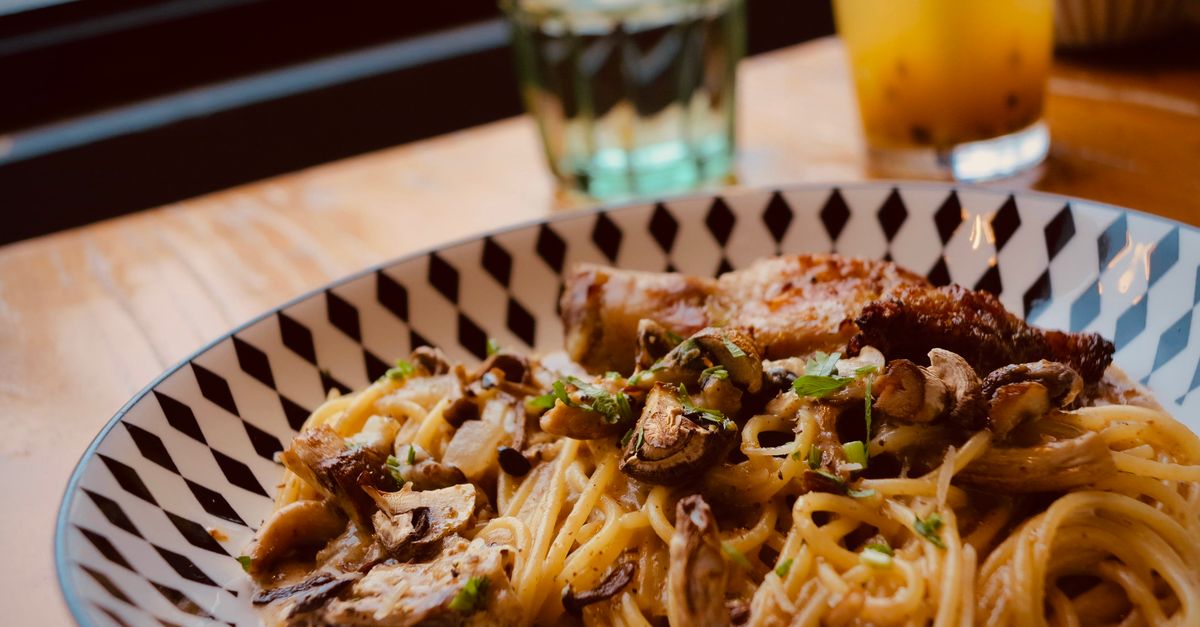
Price sensitivity on dairy-heavy items depends heavily on perceived value. A cream pasta at twenty-two dollars feels expensive to some guests. The same pasta described as hand-cut with a parmesan cream sauce, finished tableside with fresh herbs and house-cured guanciale reads as worth twenty-six dollars to the same guest.
Invest in presentation and description before raising prices. Removing the resistance that makes a price feel high is more effective than keeping the resistance and hoping guests accept the higher number. When a dish looks and sounds worth the price, increases meet less friction.
When you do raise prices, do it incrementally. One to two dollar increases are almost never noticed. Five dollar increases on an item a regular orders weekly create visible sticker shock and drive conversations you would rather not have. Quarterly small adjustments on dairy-heavy items as costs fluctuate maintain margin without disrupting guest relationships.
What This Means for Your Menu
Dairy costs are too variable to set prices once and consider the decision made. True food cost accounting, quarterly reviews, portion standardization, buffer pricing, and smart beverage pairing all protect margin on your most ingredient-intensive items.
Restaurants that manage dairy pricing as a live system rather than a static menu decision consistently outperform those that let costs creep quietly above target. The discipline is not complicated. It is consistent attention to a category that rewards attention with meaningful margin protection.