




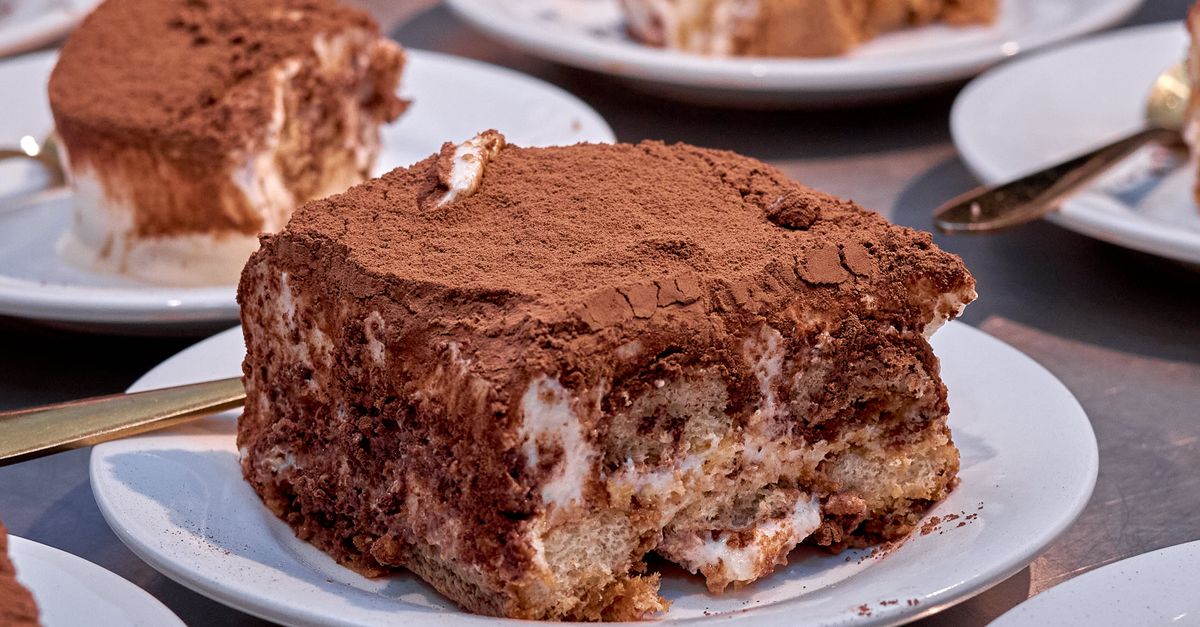
Mascarpone appears on most Texas restaurant order guides in small quantities, purchased specifically for tiramisu and used for little else. It sits in the walk-in between deliveries, handled once or twice a week for a single application, and rarely receives the creative attention a genuinely functional ingredient deserves. This is a missed opportunity. Mascarpone’s extraordinary fat content, neutral flavor, and dual behavior in hot and cold applications make it one of the most versatile dairy products in a professional kitchen, and most of its best uses have nothing to do with ladyfingers.
What Mascarpone Is and Why It Performs Differently
Mascarpone is made from heavy cream rather than milk, giving it a fat content typically between sixty and seventy-five percent. This is substantially higher than cream cheese at around thirty-three percent fat and significantly higher than ricotta. That fat content creates its distinctive texture: richer and silkier than cream cheese, more structured than whipped cream, with almost no detectable tang or acidity.
The neutral flavor is its most functional characteristic. Mascarpone does not impose its own flavor on dishes. It adds richness, body, and creaminess without competing with other ingredients. This is why it works across both savory and sweet applications in ways that more assertively flavored dairy products cannot.
It melts smoothly under heat but maintains enough structure to hold shape in cold preparations. This dual behavior makes it more functional than cream cheese in hot applications, where cream cheese can become grainy, and more structured than cream in cold applications, where cream requires whipping or other technique to hold a defined shape.
Savory Pasta Applications
Mascarpone in pasta sauce creates a different result than cream-based preparations. The higher fat content and lower water content mean the sauce clings to pasta rather than pooling at the bottom of the bowl. The richness per tablespoon is higher than cream, so you need less to achieve the same perceived richness in the finished dish.
Pasta with mascarpone and deeply browned mushrooms is one of the most cost-efficient upscale-reading dishes a kitchen can execute. Brown mushrooms aggressively until they caramelize. Deglaze with white wine and reduce. Add two to three tablespoons of mascarpone per portion and toss with pasta over low heat until the cheese coats everything. Fresh thyme and a touch of lemon zest finish the dish. The mascarpone carries the mushroom flavor without diluting it.
In carbonara-adjacent preparations, mascarpone creates a more stable working environment than cream alone. The lower water content in mascarpone means the egg proteins encounter less free liquid during the final tossing stage, making the sauce less likely to scramble when pasta heat is applied. This is a meaningful technical advantage in a preparation that has a narrow window between perfect and broken.
Fold mascarpone into risotto at the mantecatura stage alongside or instead of butter. The result is creamier and holds its texture on the plate significantly longer than butter-only finishing. In service settings where risotto sits briefly before reaching the guest, this stability difference is visible and valuable.
Cold Applications and Composed Plates
Mascarpone holds shape in cold preparations with enough structure to be quenelled, piped, or spooned into defined portions that maintain their form through plating and service. This makes it useful in composed starters and salads where you want a dairy element that does not spread, weep, or lose definition.
A quenelle of mascarpone seasoned with lemon zest, fresh herbs, and a touch of honey alongside roasted beets creates a visual and flavor contrast that straight cream cheese cannot achieve with the same elegance. The presentation reads as refined. The technique is basic. The food cost is favorable.
Mascarpone blended with fresh herbs and a small amount of roasted garlic becomes a spreadable component for crostini and vegetable accompaniments that is more refined than softened cream cheese and less rustic than fresh ricotta. Use it wherever you want a dairy element with structure that can be applied deliberately rather than dropped or smeared.
Soups and Hot Enrichments
Mascarpone enriches soups differently than cream because it adds richness and body without adding significant volume. A tablespoon stirred into butternut squash soup or roasted tomato soup just before serving creates a silky swirl that enriches the texture and photographs beautifully without thinning the soup.
Because it dissolves cleanly into hot liquid without requiring reduction, mascarpone gives you a way to enrich a soup at service rather than only during production. This means your soup base can be produced in advance and finished richly per portion as it leaves the kitchen, rather than having one batch at a fixed richness level throughout service.
The visual effect of mascarpone swirled into a puréed soup also gives the bowl a finished, intentional appearance that signals quality to the guest before they take a single bite. This presentation detail costs almost nothing in additional ingredient cost or labor.
Dessert Applications Beyond Tiramisu
Mascarpone cheesecake produces a richer, creamier texture than standard cream cheese cheesecake without the dense, heavy quality that makes some cheesecakes feel laborious to eat. Substituting twenty-five to fifty percent of the cream cheese with mascarpone changes the entire character of the finished cheesecake.
No-bake dessert bases built on mascarpone are among the fastest high-margin desserts a kitchen can offer. Whip mascarpone with a small amount of powdered sugar and flavoring. The mixture sets firm enough without gelatin or baking to pipe, quenelle, or spoon into serving vessels. Add seasonal fruit, a drizzle of honey, a crisp wafer alongside, and you have a composed dessert with plating time under forty-five seconds.
Folding mascarpone into whipped cream creates a stabilized topping that holds at room temperature for thirty minutes instead of collapsing in ten. Two tablespoons of mascarpone per cup of heavy cream, whipped together until soft peaks form, produces a topping with richer flavor and significantly better service window than plain whipped cream. For dessert programs where pre-plating or plating slightly in advance is necessary, this stability difference is operationally significant.
Purchasing and Handling
Mascarpone is more shelf-stable than fresh cheeses but requires proper refrigeration and should be used within five days of opening. Most operations underpurchase because they only consider the tiramisu application. Once mascarpone appears regularly across pasta, soups, cold preparations, and desserts, adjust ordering to match actual usage rather than the single-application estimate.
Buy in the largest container size your operation will use before expiration. Mascarpone is significantly cheaper per ounce in larger tubs than in the smaller containers sold for single-dessert recipe use. The per-ounce cost difference across a week of multi-application use adds up meaningfully over a month of service.
What This Means for Your Menu
Mascarpone is among the most underutilized ingredients in most restaurant walk-ins. Its fat content, neutral flavor, and performance in both hot and cold applications create more menu possibilities than any other specialty dairy product at a comparable price point.
Expanding its use from one application to five or six changes how you think about it on your order guide, how your kitchen approaches daily prep, and what your menu can offer without sourcing anything new. The product is already in your walk-in. The opportunity is in using it more deliberately.