




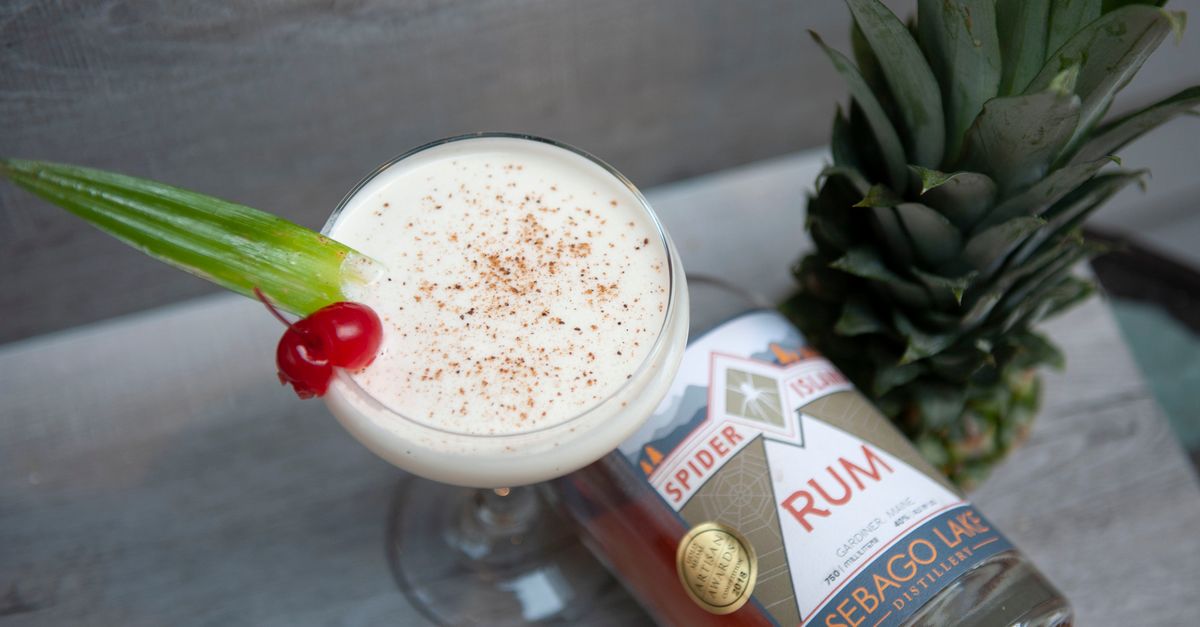
The late-night revenue challenge is consistent across Texas restaurants. Dinner service winds down, dessert orders are low because guests are full, and check averages drop in the last hour of service when there is the most capacity to fill. Dessert cocktails built around cream, spirits, and dessert flavor profiles solve this problem by offering something indulgent and interesting that guests will order when they would skip a plated dessert. They also carry margins that put them among the most profitable items on any beverage menu.
This is not a conversation about adding Baileys to a coffee. It is about building composed beverage items with the same intentionality that goes into a plated dessert, using dairy as the structural and flavor backbone that makes the drink satisfying rather than simply sweet.
How Cream Functions in Cocktails
Cream in a cocktail does several things simultaneously. The fat coats the palate, which extends the perception of flavor and creates a richness that spirits alone cannot produce. It moderates alcohol heat, which makes high-proof spirits more approachable in a cold, sweet context. And it carries infused flavors from the preparation stage into the finished drink, which is why cream-washed spirits and cream infusions produce such distinctive results compared to simple cream additions.
Heavy cream is the standard for cocktail applications because its fat content creates a stable emulsion when shaken and produces the thick, velvety texture that makes cream cocktails feel indulgent. Lower fat dairy products produce thinner results that separate more quickly in the glass. For most cream cocktail applications, the fat content of heavy cream is what makes the finished drink work.
Temperature is critical. Cream cocktails are almost always served cold because warmth accelerates separation and changes the texture unfavorably. Shake with ice until the shaker is thoroughly frosted, which means at least fifteen seconds of vigorous shaking, then strain quickly into a pre-chilled glass. The drink should be as cold as possible when it reaches the guest.
Building Cream Cocktail Recipes
The most reliable framework for a cream cocktail is spirit, sweet, flavor modifier, and dairy, balanced so that no element dominates. A spirit with distinct character, bourbon, aged rum, or coffee liqueur, provides the backbone. A sweetener, simple syrup, honey syrup, or flavored reduction, adds body and sweetness. A flavor modifier, espresso, vanilla, fresh citrus, or seasonal fruit, defines the cocktail’s identity. And the cream ties it together while adding its own richness.
The White Russian and its variations remain popular not because they are novel but because the formula is balanced. Vodka provides neutral spirit. Kahlua provides coffee flavor and sweetness. Cream provides richness and texture. The proportions work because no element overwhelms the others. Use this framework when building new cream cocktail recipes. Two ounces of spirit, one ounce of sweet component, float or shake with one to one and a half ounces of heavy cream.
For Texas restaurants, seasonal flavor directions make cream cocktails feel current rather than dated. A fall offering built on bourbon, spiced pear syrup, and cream. A summer drink using silver rum, fresh mango puree, and cream with a lime finish. A holiday offering built on aged rum, brown butter-washed spirit, and vanilla cream. These seasonal rotations keep the menu fresh and give guests reasons to return.
Cream Washing Spirits: The Technique Worth Learning
Fat washing is a technique borrowed from culinary infusion that produces spirits with subtle fat-soluble flavor compounds from the washing ingredient. Cream washing follows the same principle. Combine warm cream or butter with spirit, allow the flavors to transfer at room temperature or briefly in a warm water bath, then freeze to solidify the fat and filter the spirit through cheesecloth or a fine strainer.
The result is a spirit that carries the flavor character of the cream or butter used without the fat content that would cloud the drink. Brown butter-washed bourbon carries a nutty, caramelized dairy note that plays beautifully in an Old Fashioned variation or as the base of a composed cream cocktail. This technique requires planning because the washing and freezing process takes several hours, but batch production means the washed spirit is ready throughout the week without additional labor.
Dairy in Non-Alcoholic Beverage Programs
The same framework that makes cream cocktails effective applies to non-alcoholic dessert beverages for guests who are not drinking. A non-alcoholic version of a cream cocktail using cold brew concentrate, vanilla syrup, and heavy cream is an espresso martini substitute that drives the same check average impact without the alcohol content. Cream-based non-alcoholic drinks also photograph well, which matters in markets where social media visibility drives traffic.
What This Means for Your Bar Program
Cream cocktails are among the highest-margin items on any beverage menu when executed properly. The dairy cost is low relative to the price guests will pay for something that feels indulgent and distinctive. The late-night and dessert course positioning addresses one of the revenue challenges most Texas restaurants face at the end of service. And the format, shareable, visually appealing, and easy to describe, gives servers a natural upsell at the right moment in the meal.
Invest in two to three composed cream cocktail recipes that represent your concept and rotate them seasonally. Train your bar team on proper technique, including shaking temperature, cream quantity, and glassware. Price them at the top of your cocktail range. The returns on a well-executed cream cocktail program compound through the year.