




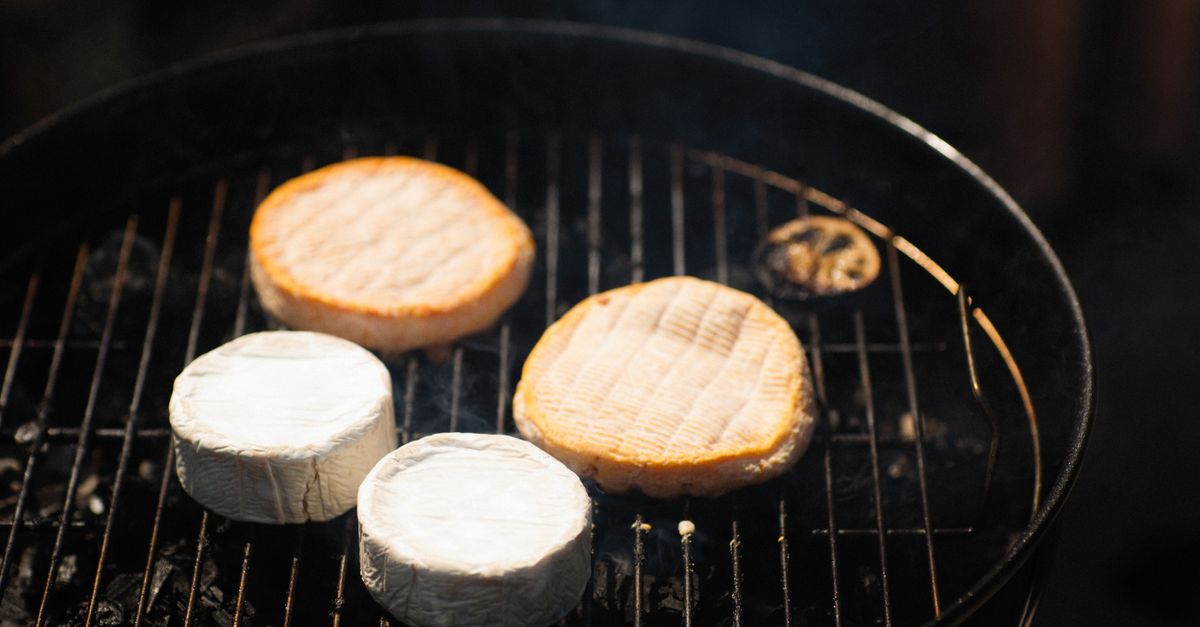
Texas has always understood smoke. The state’s barbecue tradition built an entire culinary identity around wood fire, time, and meat. What is newer, and still developing, is the application of that smoke expertise to dairy products. Smoked butter, smoke-infused cream, smoked cheese preparations, and smoke-washed dairy components are appearing on Texas menus with increasing frequency, and the kitchens doing it well have found a way to connect two of the state’s strongest food identities in ways that create genuinely distinctive dishes.
Smoke and dairy work together because fat carries smoke compounds effectively. The same fat content that makes dairy so useful in cooking also makes it an excellent medium for absorbing and holding wood smoke flavors. A properly smoked butter delivers smoke character that persists through cooking and plating in ways that smoked salt or liquid smoke cannot replicate.
Cold Smoking Butter: The Entry Point
Cold smoking is the correct technique for butter because heat causes butter to melt and separate. The goal is to expose the butter to smoke at temperatures below 90 degrees Fahrenheit, low enough that the butter remains solid and absorbs smoke flavor without losing its structure.
The setup requires a dedicated cold smoking apparatus or a standard smoker modified to keep temperatures low. Many kitchens use a handheld smoking gun directed into a covered container holding butter portions. Fill the container with smoke, seal it, and allow the butter to absorb for fifteen to twenty minutes before opening. Repeat two to three times for deeper smoke penetration. The result is butter with a genuine smoke character that holds through melting, mounting into sauces, and cooking.
Wood selection matters significantly. Pecan and post oak, the dominant woods in Central Texas barbecue, produce a balanced smoke that complements dairy without overwhelming it. Mesquite, which burns hot and produces intense smoke, can overwhelm butter’s delicate flavor even in cold smoking applications. Cherry and apple woods produce lighter, slightly sweet smoke that works particularly well with butter destined for pastry applications or compound preparations with sweet elements.
Smoked butter functions like compound butter in service applications. Finish steaks with a slice of cold smoked butter that melts tableside. Mount pan sauces with smoked butter for a finish that adds smoke without the need for smoked ingredients in the dish itself. Use it on bread service as an elevated alternative to conventional compound butter.
Smoke-Infused Cream: The Sauce Application
Cream absorbs smoke more quickly than butter because the larger surface area of liquid dairy accelerates flavor transfer. Cold smoking cream in a sealed container using a smoking gun produces cream with distinct smoke character in as little as ten minutes. This smoked cream then behaves identically to regular cream in cooking applications, carrying its smoke flavor through reduction, sauce construction, and heat.
The most direct application is as a sauce base. Smoked cream reduced with shallots, garlic, and fresh thyme creates a sauce that tastes as though the protein it accompanies came off a smoker rather than a grill or sauté pan. For Texas restaurants that want to evoke barbecue flavors in formats where actual smoke is impractical, this technique delivers an authentic smoke character without the equipment or time commitment of low-and-slow cooking.
Use smoked cream in corn-based preparations, in queso variations where a smoked dairy note adds depth, or in cream-based soups where a subtle smoke background creates interest without announcing itself. The goal is dairy with a smoke character, not a smoke bomb that obscures everything else.
Smoked Cheese Presentations
Cold smoking cheese is a Texas tradition rooted in barbecue joints that smoke brisket alongside blocks of cheddar. The technique applies at restaurant scale with relatively simple equipment and produces cheese that commands a premium on a cheese board or as a standalone component.
Semi-firm cheeses like cheddar, gouda, and Colby smoke effectively because they are firm enough to hold their shape through the process without sweating excessively. Expose the cheese to cold smoke at temperatures below 90 degrees for two to four hours, turning occasionally for even penetration. The exterior develops a light golden tint and a distinct smoke character while the interior remains fresh.
Smoked cheese on a cheese board alongside conventional cheese creates contrast that makes both more interesting. The smoke character on one selection highlights the clean dairy flavor of unsmoked selections beside it. This contrast is part of what makes cheese boards with smoked components more compelling than boards without them.
Equipment and Practical Execution
A handheld smoking gun with wood chip attachments is the most practical entry point for dairy smoking at restaurant scale. These tools cost between fifty and two hundred dollars, require no permanent installation, and can be used in any kitchen space. For operations that want more consistent results at larger volumes, dedicated cold smoking chambers are available from commercial equipment suppliers and allow batch production of smoked dairy products.
Store smoked dairy products in sealed containers because the smoke aroma intensifies at room temperature and can transfer to other products in the walk-in. Label clearly with smoking date, wood type used, and intended application. Smoked butter holds for the same period as conventional compound butter. Smoked cream should be used within two to three days for best flavor.
What This Means for Your Menu
Smoked dairy is a natural extension of Texas culinary identity that connects the state’s barbecue tradition to the dairy-forward cooking that is driving contemporary menu development. The technique is accessible, the equipment cost is modest, and the results are distinctive enough to justify menu differentiation and premium pricing. For restaurants that want to connect smoke and dairy in a way that feels authentically Texan rather than trend-chasing, this is a technique worth developing and owning.