




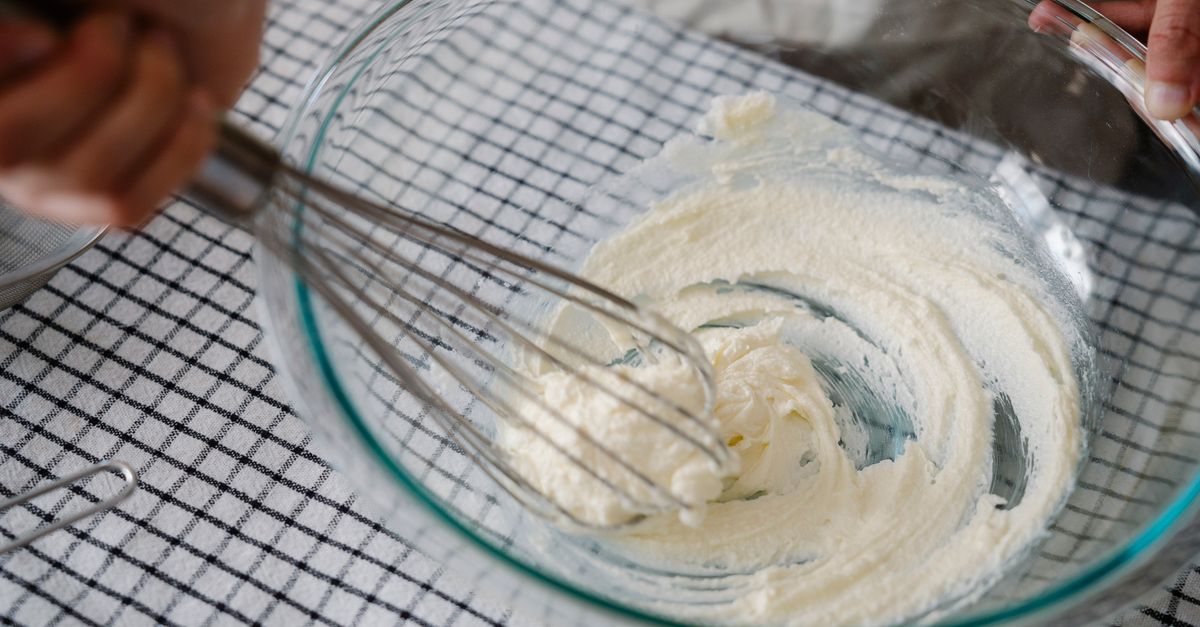
A broken cream sauce is one of the most disorienting failures in a professional kitchen because it often happens without an obvious single cause. The sauce was fine and then it was not. Understanding why cream sauces break at a mechanical level removes the mystery and gives your team the tools to prevent it consistently rather than hoping each sauce holds.
What Emulsification Is and Why Cream Is Already an Emulsion
An emulsion is a stable mixture of two liquids that do not naturally combine: fat and water. In cream, fat globules are suspended in a water-based liquid and held in place by a network of proteins that act as emulsifiers. When cream is fresh and properly handled, this natural emulsion is stable under normal cooking conditions.
When you reduce cream in a sauce, you are concentrating both the fat and the proteins. Done properly, this creates a more stable emulsion as the sauce thickens, because there is more protein relative to free water. The proteins are better able to maintain the fat-in-water suspension. The problems start when something disrupts this concentration process faster than the proteins can adapt.
Temperature: The Most Common Cause of Breaking
Cream proteins that maintain emulsification are heat-sensitive. Below a certain threshold, they keep fat globules suspended. Above it, they denature, aggregate, and lose their emulsifying function. Heavy cream is stable at temperatures well above two hundred degrees Fahrenheit when heat is applied gradually and consistently. The failure mode is not temperature itself but the rate of temperature change.
Reducing cream sauce over very high heat drives the temperature up faster than proteins can adapt to the changing concentration environment. The proteins coagulate before the sauce reaches proper consistency, creating the grainy or separated texture that indicates a broken sauce.
The fix is patience and medium heat. A cream sauce reduced slowly over medium heat takes longer but holds together reliably because proteins have time to concentrate gradually. Rushing a cream reduction on high heat saves five minutes while creating inconsistency that affects every iteration of the dish. The time cost of proper technique compounds favorably over every service period.
Fat Ratio: When Butter Addition Goes Wrong
Butter enrichment at the end of sauce preparation is where cream sauces most commonly break in high-volume kitchen environments. Adding butter to a cream sauce creates an oil-in-water emulsion challenge: there is more fat entering the system, and the existing protein network must incorporate it without losing stability.
The problem occurs when butter is added too quickly, in too large pieces, or when the sauce is too hot at the moment of addition. Cold butter added all at once to a very hot cream sauce creates an extreme fat ratio imbalance in that moment. The protein network cannot incorporate the fat fast enough and the emulsion breaks.
The technique that works is monte au beurre: cold butter cut into small pieces, added one piece at a time, with the pan swirled or the sauce whisked between additions. Each piece emulsifies before the next is added. The protein network incorporates fat incrementally rather than attempting to handle a large addition simultaneously. The total amount of butter can be the same. The result is completely different.
The Role of Starch in Sauce Stability
Starch-based stabilizers provide insurance against the temperature and ratio instability that breaks natural cream emulsions. They work by creating a secondary thickening network that remains stable under conditions that would disrupt the protein network alone.
A small amount of cornstarch slurry or arrowroot added before service creates stability that allows the sauce to handle reheating, holding in steam tables, and the handling variability of a busy service without breaking. The amount matters significantly. Half a teaspoon of cornstarch per cup of cream sauce is the baseline. More creates gluey texture. Less creates minimal protective benefit.
Egg yolks provide a different kind of stabilization. The lecithin in egg yolks is one of the most effective natural emulsifiers available, which is why it is the structural basis of hollandaise and béarnaise. Adding a yolk to a cream sauce off heat, whisked in thoroughly before serving, provides meaningful stability improvement without altering flavor. The yolk requires gentle handling since excessive heat will scramble it, but the technique is worth developing for sauces that need to hold through extended service.
Acid Timing and Emulsion Stability
Acid reduces the pH of the sauce, and lower pH creates a less favorable environment for the proteins responsible for emulsification. This does not mean acid breaks emulsions automatically. It means acid added at the wrong time or in the wrong quantity under the wrong conditions contributes to instability.
The critical rule is that wine must be reduced before cream is added to the pan, not after. Uncooked wine contains free volatile acids and alcohol that are disproportionately disruptive to cream emulsification compared to the same wine reduced to a glaze. The acid concentration in a wine glaze has shifted chemically from the acid concentration in raw wine, and reduced wine is far more compatible with cream.
Lemon juice, vinegar, and other finishing acids should be added after the sauce has been removed from heat or is on very low heat. Brief acid exposure at cooling temperatures allows brightness without triggering the protein denaturation that more extended heat and acid exposure together produce.
Building Stable Cream Sauces Every Time
Start with high-fat cream. The minimum for sauce work is thirty-six percent fat. Below this threshold, the protein-to-fat ratio is less favorable and stability requires more careful temperature management.
Reduce over medium heat consistently. Never rush a cream reduction with high heat to make up time. The quality loss is not recoverable once breaking begins.
Add butter in small pieces with constant movement. This applies whether you are finishing a single portion or a batch.
Use a small amount of starch stabilizer for any sauce that needs to hold through service. The texture impact is minimal at appropriate quantities. The stability benefit is significant.
Add acid only at the end, off heat, in small amounts. The sauce should be fully reduced and removed from the burner before any citrus or vinegar is incorporated.
What This Means for Your Kitchen
Cream sauce breaking is not random. It follows predictable patterns rooted in temperature management, fat ratio control, acid timing, and stabilization technique. Once your team understands these patterns, breakage becomes rare rather than expected, and the quality consistency that follows is directly visible in waste reduction and guest satisfaction.
Teaching emulsification science does not require a culinary curriculum. It requires a focused thirty-minute session with demonstrations, clear explanation of the mechanics, and follow-up reinforcement when technique lapses during service. The investment is minimal. The impact on every cream-based preparation in your kitchen is immediate.