




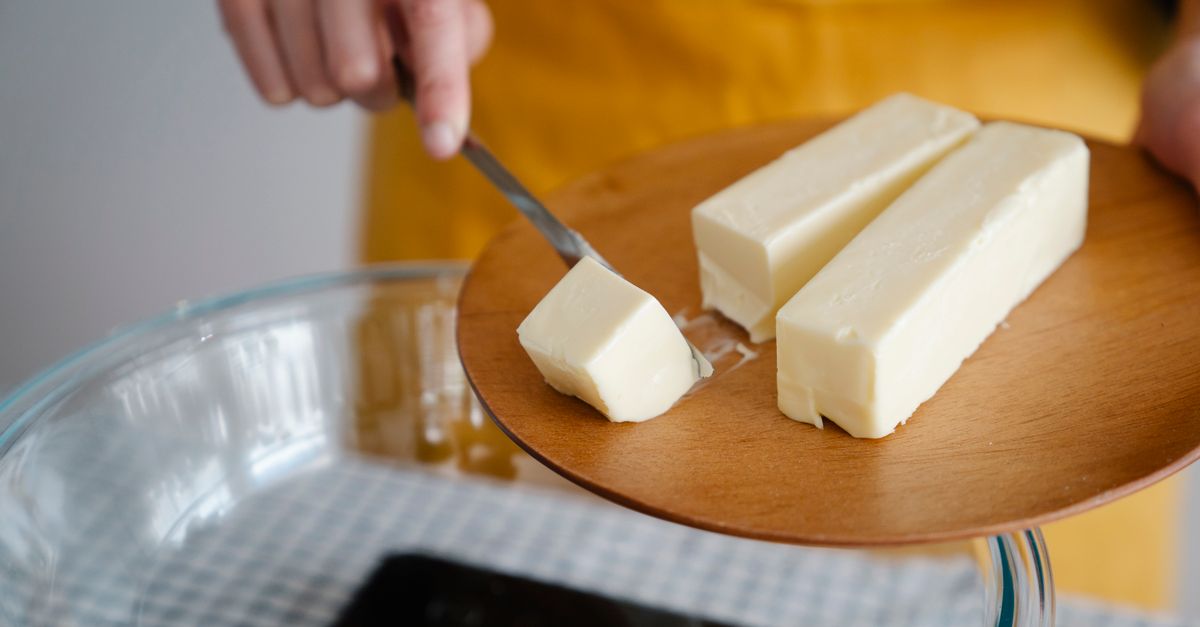
Cultured butter has moved from specialty food stores into mainstream restaurant conversations, and with good reason. The flavor difference between cultured and conventional butter is real, noticeable, and meaningful in specific applications. But cultured butter costs more, sometimes significantly more, and the decision to use it should be based on where it actually earns its price rather than on trend or assumption.
Understanding what cultured butter is, how it differs in flavor and performance, and which applications reward the upgrade helps operators make smart decisions about when to spend more and when standard butter delivers equivalent results.
What Makes Cultured Butter Different
Conventional butter is made from fresh cream churned until fat separates from buttermilk. The process is efficient and produces consistent, neutral-flavored butter with a clean dairy character. Cultured butter starts from cream that has been inoculated with live bacterial cultures and allowed to ferment before churning. This fermentation produces lactic acid and a range of flavor compounds, most notably diacetyl, which creates the characteristic tangy, complex, almost nutty flavor that distinguishes cultured butter from its conventional counterpart.
The fat content is typically similar between the two, though some European-style cultured butters run at 84% or higher versus the 80% minimum in standard American butter. That additional fat creates a richer mouthfeel and affects performance in pastry applications. The fermentation flavor, however, is the primary distinction and the reason to use cultured butter in the first place.
Where Cultured Butter Earns Its Price
Bread service is the highest-visibility application for cultured butter in a restaurant. When butter is served as a standalone component alongside bread at the start of a meal, guests interact with it directly and notice its flavor without the distraction of other ingredients. Cultured butter at bread service communicates quality and care in a way that conventional butter cannot, and the cost difference per table is minimal given the small quantity involved. This is where the upgrade delivers clear, guest-facing value.
Finishing sauces and pan sauces benefit from cultured butter because the fermentation flavor carries through to the finished dish. When you mount a sauce with cultured butter off heat, the tang and complexity add another flavor dimension that conventional butter does not contribute. The difference is subtle but noticeable in preparations where butter is the final flavor layer, such as beurre blanc, lemon butter sauce, or butter-finished pan sauces for proteins.
Simple preparations where butter is a primary flavor are strong candidates. Cultured butter on vegetables roasted simply, in a classic brown butter application, or as a compound butter on grilled steak all let the fermentation flavor contribute meaningfully to the finished dish. The more butter is a featured ingredient rather than a background one, the more the quality difference registers.
Where Standard Butter Is the Right Call
In pastry and baking where butter is incorporated into doughs and batters, the fermentation flavor of cultured butter frequently gets lost in the finished product. A croissant made with cultured butter tastes better than one made with low-quality conventional butter, but the difference between cultured and quality conventional butter is often imperceptible once the dough is laminated, proofed, and baked. The same applies to cake batters, cookie doughs, and most enriched breads. The cost premium rarely produces a proportional quality improvement in these applications.
In savory cooking where butter is a cooking medium rather than a flavor component, the distinction largely disappears under heat. Sautéing vegetables, starting a sauce, or cooking eggs in cultured butter versus conventional butter produces results that most guests and most cooks cannot distinguish. Using cultured butter as a cooking fat is a cost without a corresponding return.
High-volume applications where butter is portioned in large quantities for cooking also favor conventional butter. The cost difference per pound compounds quickly when you are going through cases rather than pounds, and the flavor advantage does not translate to finished dishes at the proportion used.
Sourcing and Storage
Cultured butter is available from several producers at different price points. European imports like Plugra and Kerrygold are widely available through foodservice distributors and carry strong quality reputations. Domestic producers have also entered the cultured butter space with products that perform comparably at slightly lower cost. Your dairy distributor can source cultured butter and advise on options that fit your volume and budget.
Storage requirements are identical to conventional butter. Keep refrigerated, protect from contamination and odor absorption, and maintain proper rotation. Cultured butter does not have significantly longer or shorter shelf life than conventional, though the fermentation flavor can intensify slightly over time, which works in favor of freshness management rather than against it.
What This Means for Your Menu
Cultured butter earns its price premium in high-visibility, low-volume applications where guests interact with butter directly or where butter is a featured flavor component. It does not earn its premium as a cooking fat or in baked goods where the flavor distinction disappears in production. Identifying which applications fall into which category allows you to use cultured butter strategically, capturing its quality signal where it matters and controlling costs where the difference does not register.
Start by evaluating your bread service. If you currently use conventional butter, switching to a quality cultured butter there costs little and communicates a clear quality message. From that starting point, work through your menu to identify other applications where the fermentation flavor would meaningfully improve the guest experience. Let the answer to that question, rather than trend or habit, determine where cultured butter belongs in your operation.