




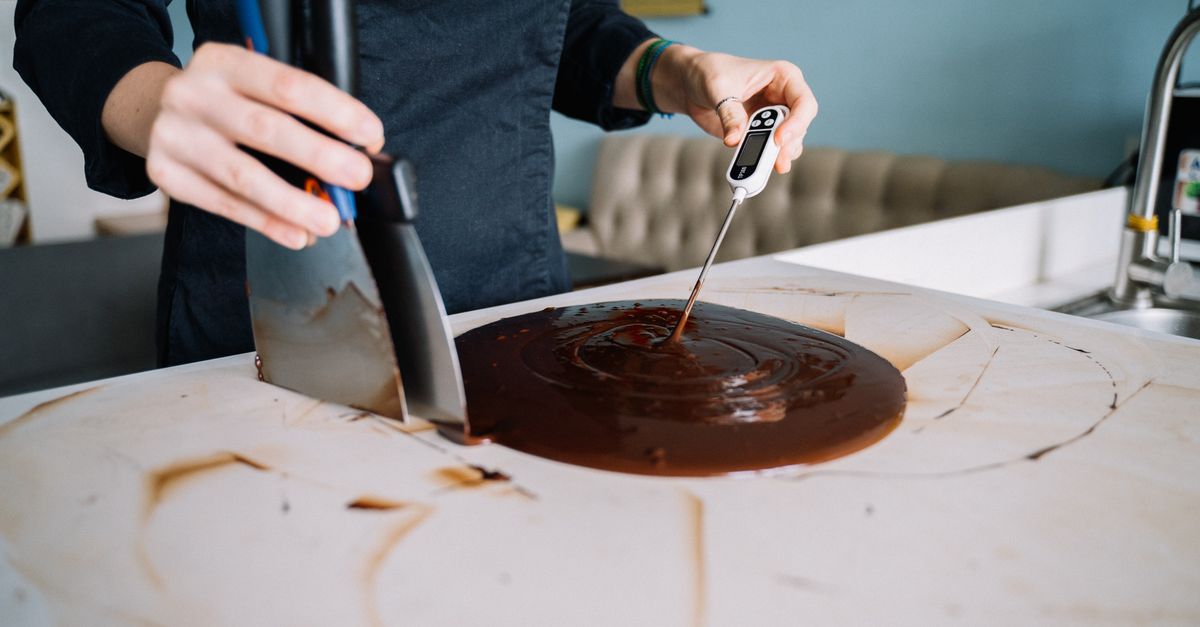
Temperature is the single most critical variable in dairy performance, and most kitchen training treats it as secondary to technique. The reality is that proper technique executed at the wrong temperature produces the same failed result as poor technique. A cream sauce breaks not because the cook stirred it wrong but because the sauce was too hot when the cream went in. Whipped cream fails not because the cook over-worked it but because the cream was two degrees too warm before it went into the bowl.
Building temperature literacy into your kitchen’s dairy handling practices elevates every dish that uses dairy because it removes the most common failure mode. This guide is designed as a practical reference that line cooks can actually use, with specific temperatures for specific applications and the reasoning behind each one.
Cream: Critical Temperature Points
Heavy cream whips best at 34 to 36 degrees Fahrenheit. This is colder than typical walk-in temperature, which means cream pulled directly from a properly calibrated walk-in is ready to whip immediately. Cream that has warmed during service or handling, above 40 degrees, will either refuse to whip or whip to an unstable foam that breaks quickly. Chill your bowl and whisk in addition to the cream for best results, especially in warm kitchen environments.
For cream sauces and reductions, the safe cooking range is 150 to 185 degrees Fahrenheit. Below 150, cream does not reduce efficiently and may not integrate smoothly with other sauce components. Above 185, cream approaches the danger zone where proteins begin to coagulate and the sauce becomes prone to breaking. Maintain a gentle simmer rather than a hard boil. If you see rolling boils in a cream sauce, reduce your heat immediately.
When adding cream to hot preparations, the cream itself should be room temperature or slightly warm, not cold from the walk-in. The temperature shock of cold cream hitting a very hot sauce is one of the primary causes of sauce breaking. Temper your cream by warming it briefly before adding it to a hot reduction or sauce base.
Butter: Working Temperatures for Every Application
Clarified butter and ghee can be heated to 375 to 400 degrees Fahrenheit for sautéing without burning because the milk solids that brown and burn in whole butter have been removed. This high heat tolerance makes clarified butter the correct choice for applications requiring very high sauté temperatures.
Whole butter browns at approximately 250 to 300 degrees Fahrenheit as the milk solids undergo the Maillard reaction. Brown butter should be watched constantly in this range and removed from heat the moment the desired color is achieved because the temperature continues rising briefly after the pan is removed from heat, which can push brown butter into burnt territory.
For butter mounting in sauces, the sauce temperature should be between 140 and 165 degrees Fahrenheit when cold butter goes in. Above 165, the emulsion breaks as fast as you can build it. Below 140, the butter melts incompletely and the sauce may appear greasy rather than cohesive. This is the range where the technique actually works.
Compound butter for table service should be at 55 to 65 degrees Fahrenheit, cold enough to hold its shape but soft enough to spread easily on warm bread. Butter pulled directly from walk-in storage at 36 to 38 degrees is too firm. Plan your pull time to allow the butter to come up to the right service temperature before it goes to the table.
Cheese: Melting and Service Temperatures
Most cheeses melt smoothly between 130 and 150 degrees Fahrenheit. Above this range, the proteins in the cheese denature aggressively and the cheese separates into rubbery solids and greasy liquid. This is why queso made over high heat becomes grainy and why cheese added to a sauce that is too hot breaks the sauce. Keep the heat low when melting cheese into any preparation.
For cheese boards and service, bring refrigerated cheese to 55 to 65 degrees before service. Cold cheese is difficult to cut, does not release its full flavor profile, and presents poorly on a board. For most cheeses, thirty to forty-five minutes at room temperature achieves the right service temperature without risk of spoilage during a normal service window.
Custards and Eggs with Dairy
Custards cooked on the stovetop are finished between 170 and 175 degrees Fahrenheit, where the egg proteins have set sufficiently to create a stable, creamy texture without curdling. Above 180 degrees, custard curdles into a grainy, broken texture that cannot be corrected after the fact. A thermometer is non-negotiable for stovetop custard in a production kitchen.
Crème brûlée and baked custards are done at an internal temperature of 170 to 175 degrees, with the center still showing slight movement when gently shaken. For batch production, use temperature to confirm doneness rather than relying solely on the visual check, especially when different ovens or ramekin sizes are involved.
What This Means for Your Kitchen
Temperature literacy is a skill that separates kitchens that consistently execute dairy applications correctly from those that treat dairy failures as random and unavoidable. Post these temperature reference points where dairy is handled. Include them in training materials. Hold your team accountable to working within the correct ranges rather than approximating and hoping. The investment in temperature discipline pays returns through fewer broken sauces, better custard texture, more consistent whipped cream, and the reduced waste that comes from dairy applications that succeed the first time.