

Milk and dairy products

Dairy Allergies and Intolerances: A Practical Guide for Texas Restaurant Teams

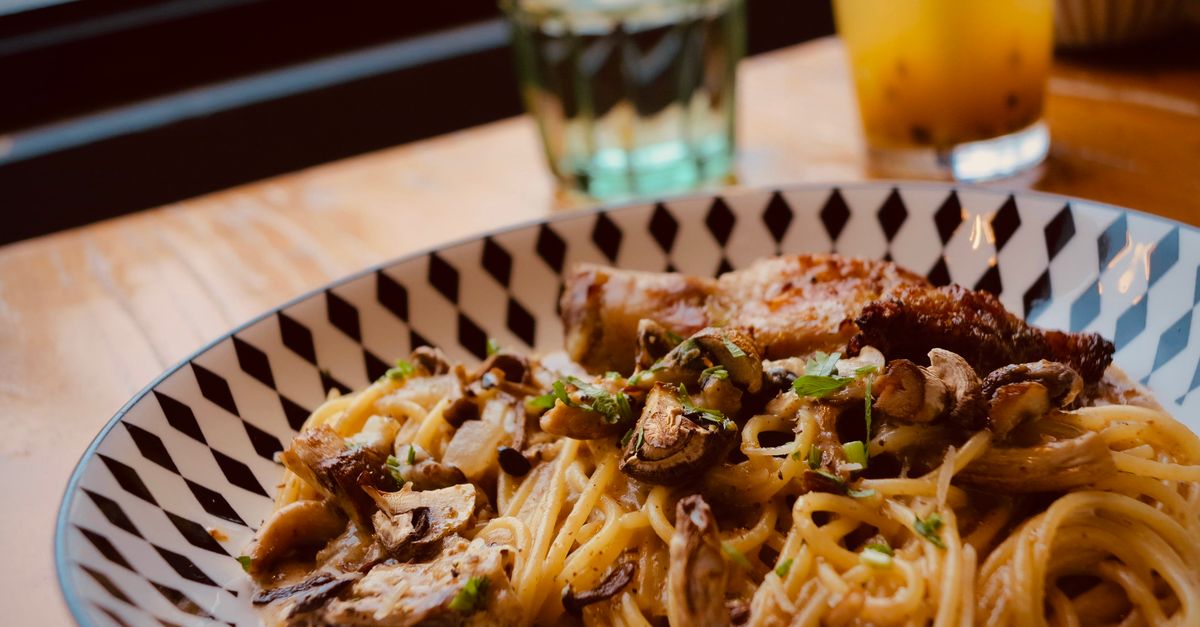
Dairy is one of the nine major allergens required by federal law to be disclosed on restaurant menus and in staff communication. But legal compliance is the floor, not the ceiling. How your team actually handles dairy allergy and intolerance requests determines whether a guest with dietary restrictions feels safe and cared for or leaves your restaurant uncertain about whether their meal was what they asked for. A server who does not know which dishes contain cream, a cook who finishes with butter by reflex, and a manager who has never formally addressed cross-contact with the team can turn a routine accommodation into a serious incident.
Continue reading

Plated dairy-rich restaurant dish

How to Price Dairy-Heavy Menu Items for Maximum Profit

Pricing dairy-heavy items is where many restaurants quietly bleed margin without realizing it. Cream prices swing seasonally. Butter costs fluctuated forty percent between 2022 and 2024. Cheese prices track dairy markets that move independently of your other food costs. If your pricing was set when dairy was cheaper and has not been adjusted since, your margin on those items has eroded while everything else stayed the same. The problem is not that dairy got expensive. It is that pricing decisions did not keep pace.

Continue reading

Modern restaurant dining

How Dallas, Houston, and Austin Are Diverging on Dairy Trends: A Market Snapshot

Texas is not a single restaurant market. Dallas, Houston, and Austin have distinct dining cultures, different guest demographics, different price tolerance thresholds, and different levels of receptivity to culinary innovation. These differences show up clearly in how dairy performs on restaurant menus across the three markets, and understanding them allows operators, whether running a single location or a multi-unit concept, to make better decisions about menu development, product investment, and marketing language.

Continue reading

Premium artisan cheese

The Premium Cheese Boom in Texas: What Guests Are Willing to Pay For and Why

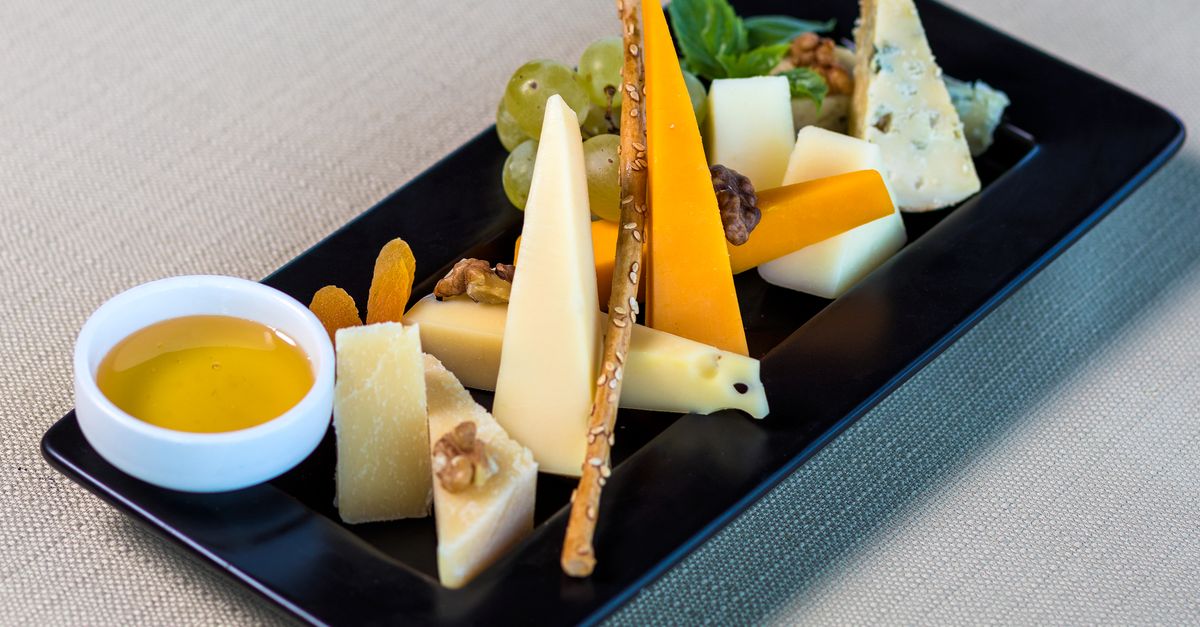
Texas restaurant guests are paying more for cheese than they were five years ago, and they are doing it voluntarily. The premium cheese market has grown significantly across the state’s major markets, driven by guests who have developed genuine knowledge and preference for specific cheese types, producers, and aging profiles. This shift creates menu opportunity for operators willing to invest in understanding what is driving guest willingness to pay and how to position premium cheese in a way that captures that value.

Continue reading

Restaurant kitchen team at work

Building a Dairy SOP That Survives High Turnover: Documentation That Actually Gets Followed

The Texas restaurant industry’s 80% annual turnover rate is not a secret, and it is not improving. Every operator knows it. The ones who manage it most effectively have accepted that their systems need to work despite constant staff changes, not because of exceptional staff consistency. For dairy handling, where the gap between correct practice and careless practice directly affects food cost, food safety, and guest experience, a standard operating procedure that actually gets followed by a constantly rotating workforce is one of the most valuable documents in the building.

Continue reading

Seasoning food with salt

How Salt Timing Affects Dairy in Cooking: When to Season and When to Wait

Salt and dairy have a complex relationship in cooking that most professional kitchens manage by feel rather than by understanding. The instinct to season as you go is correct in most cooking contexts, but with dairy, the timing of salt addition can be the difference between a sauce that holds through service and one that breaks, between a custard with perfect texture and one that weeps, and between whipped cream that stabilizes and one that turns grainy before it is finished.

Continue reading

Bechamel style cream sauce

How Dairy Fat Percentage Affects Béchamel: Ratios That Actually Work

Béchamel is one of the five French mother sauces and the foundation of more restaurant dishes than most operators stop to count. Mac and cheese, lasagna, moussaka, cream-based gratins, mornay sauce, croquettes, and dozens of other preparations all start with béchamel. It is also one of the most frequently executed badly, producing results that are either gluey and stiff, thin and watery, or flat in flavor despite technically correct ratio adherence.

Continue reading

Line cook checking temperature

The Right Temperature for Every Dairy Application: A Practical Reference for Line Cooks

Temperature is the single most critical variable in dairy performance, and most kitchen training treats it as secondary to technique. The reality is that proper technique executed at the wrong temperature produces the same failed result as poor technique. A cream sauce breaks not because the cook stirred it wrong but because the sauce was too hot when the cream went in. Whipped cream fails not because the cook over-worked it but because the cream was two degrees too warm before it went into the bowl.

Continue reading

Protein finished with beurre blanc

Beurre Blanc at Volume: Making a Notoriously Delicate Sauce Work on a Busy Line

Beurre blanc has a reputation for being fragile, finicky, and unsuitable for high-volume restaurant service. Some of that reputation is deserved. The sauce is genuinely sensitive to temperature, requires proper technique, and does not forgive carelessness the way a roux-based sauce does. But the reputation for being impractical at volume is largely a training and systems failure, not an inherent property of the sauce.

Continue reading

Bowl of cultured cream

Mexican Crema vs. American Sour Cream: What Texas Kitchens Need to Know

Texas kitchens occupy a culinary position where Tex-Mex, Mexican, and American cooking traditions overlap constantly, and nowhere is that overlap more practically relevant than in the choice between Mexican crema and American sour cream. These products are often treated as interchangeable in menus and recipes, which produces results that are acceptable but not optimal. Understanding the actual differences between them and when each one is the correct choice improves food quality with no additional food cost.

Continue reading