




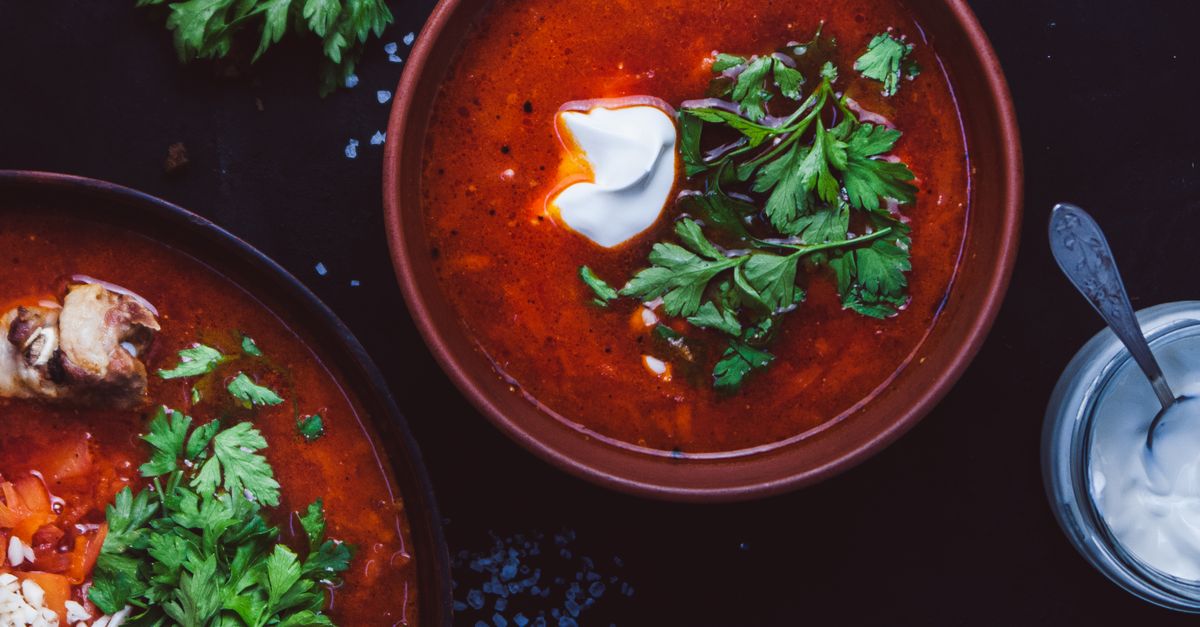
Texas kitchens occupy a culinary position where Tex-Mex, Mexican, and American cooking traditions overlap constantly, and nowhere is that overlap more practically relevant than in the choice between Mexican crema and American sour cream. These products are often treated as interchangeable in menus and recipes, which produces results that are acceptable but not optimal. Understanding the actual differences between them and when each one is the correct choice improves food quality with no additional food cost.
This is not a conversation about authenticity for its own sake. It is about using the right product for the intended result. Both crema and sour cream are cultured dairy products with tangy flavor profiles, but they have different fat contents, different textures, and different performance characteristics that make them genuinely better suited to different applications.
The Technical Differences
American sour cream is made from cream cultured with lactic acid bacteria, producing a product with 18 to 20% milk fat and a thick, spoonable texture that holds its shape well in cold applications. The acidity is pronounced and the texture is dense, which makes it excellent for dips, baked potato toppings, and any application where a thick, tangy dairy component is needed.
Mexican crema is also a cultured cream product, but with lower fat content, typically around 25 to 30%, and a much thinner, more pourable consistency. The tang is present but cleaner and less aggressive than American sour cream. The texture flows rather than holding shape, which makes it ideal for drizzling and finishing applications where sour cream would sit in a heavy dollop.
A third product worth knowing is crème fraîche, a French cultured cream with 28 to 30% fat content and a texture between American sour cream and Mexican crema. It is less tangy than either and more stable under heat, which makes it the professional kitchen’s choice when a cultured cream needs to be incorporated into hot preparations.
Performance Under Heat
The most important practical difference between crema and sour cream is heat stability. American sour cream breaks under heat, separating into an unappetizing combination of fat and liquid. This is why you cannot stir sour cream into a hot sauce or soup without the result looking curdled and unpleasant.
Mexican crema handles heat better, though it is still not ideal for direct high-heat applications. Its lower protein content relative to fat creates a slightly more stable emulsion. Crema added to a warm, not hot, preparation can hold without separating in ways that sour cream cannot. This makes crema a better choice for warm finishes and sauces where a cultured cream element is part of the recipe.
Crème fraîche is the most heat-stable of the three and should be the first choice for any cultured cream application that involves cooking. Its fat content and protein structure create a product that can be stirred into soups, incorporated into pan sauces, and even briefly simmered without breaking.
Application Guidance for Texas Kitchens
Use American sour cream where you want a thick, tangy dairy component in cold or room-temperature applications. Baked potatoes, nacho toppings, cold dips, and anything served cold where the texture should hold its shape. Sour cream also works well in baking, where its acidity activates baking soda and its fat content adds tenderness.
Use Mexican crema where you want to drizzle or finish a dish with a cultured cream element. Tacos, tostadas, enchiladas, soups at warm rather than hot temperature, and any application where a flowing dairy finish is more appropriate than a thick dollop. Crema in a squeeze bottle on a taco line is operationally faster than sour cream and produces a more even distribution that improves both flavor and appearance.
Use crème fraîche when a cultured cream needs to survive in a hot preparation. Cream sauces that need a tangy element, soups finished with dairy, or pan sauces where the cultured note complements the other flavors. The premium price of crème fraîche is justified when it is the product that will actually work in the application.
Sourcing in Texas
Mexican crema is increasingly available through mainstream foodservice distributors in Texas, reflecting the state’s demographic and culinary reality. Most dairy distributors can source it, and Hill Country Dairies can advise on current availability through their regional distribution network. Crème fraîche is available through specialty dairy sources and some mainstream distributors.
In a pinch, a workable approximation of Mexican crema can be produced by thinning crème fraîche with a small amount of whole milk to achieve a pourable consistency. This is not an exact substitute but performs acceptably in most finishing applications. Do not attempt to approximate crema with thinned sour cream, as the flavor profile and stability characteristics differ enough that the results are noticeably inferior.
What This Means for Your Kitchen
The choice between crema and sour cream is a small decision that creates meaningful differences in finished food quality. Texas kitchens that operate across Tex-Mex and Mexican food traditions have a professional obligation to understand these products and use them correctly. The cost difference is minimal, the sourcing is manageable, and the improvement in food quality is real. This is one of the easiest and most direct quality upgrades a Texas restaurant kitchen can make.