



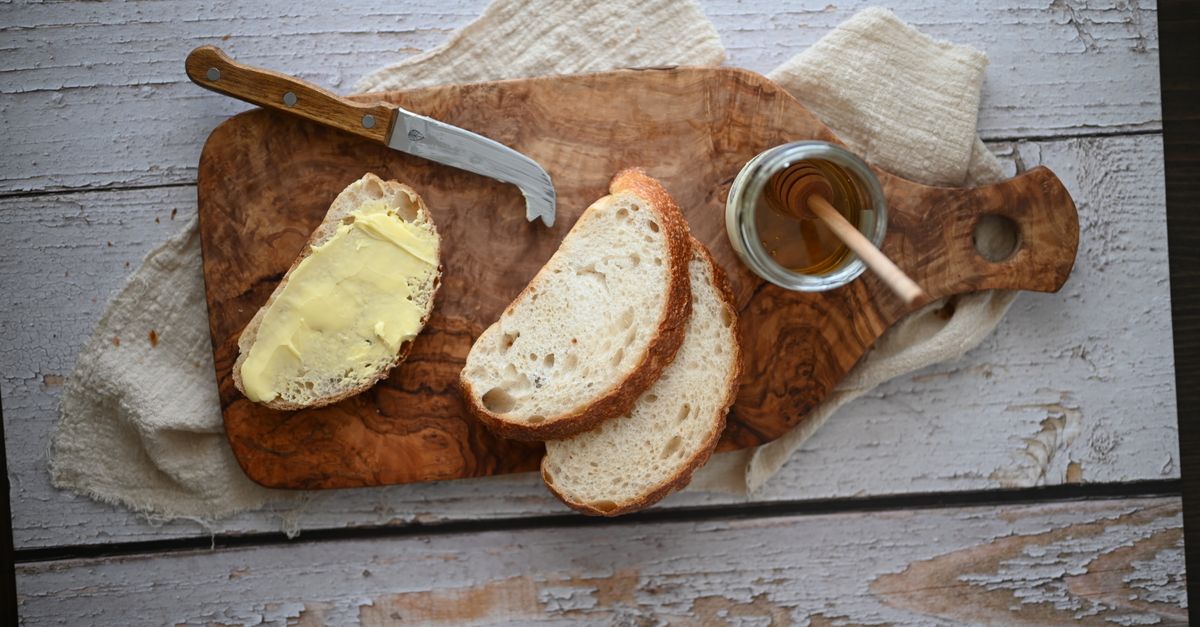
Bread service has historically been one of the most undermonetized elements of the restaurant experience. Complimentary bread arrives, guests eat it, and no revenue is generated. When bread service is charged, it often feels like a minor irritant rather than a genuine value exchange. Butter boards change this dynamic by transforming what was a commodity service item into a shareable, composed, Instagram-ready experience that guests are happy to pay for and actively want to photograph and share.
The format is simple: butter, softened and spread directly on a wooden board or marble surface, topped with garnishes and accompanied by fresh bread for dipping and spreading. The appeal is the combination of interactive format, visual drama, and genuine flavor quality that makes it more than just bread and butter dressed up with a presentation angle. Done right, it becomes one of the most talked-about items on your menu.
Starting With the Right Butter
The butter is the centerpiece, and the quality choice matters more here than in almost any other application. Butter spread over an entire board and eaten plain, with minimal distraction from garnishes or accompaniments, reveals everything about its quality. Conventional butter tastes flat on a butter board. Cultured butter, European-style butter with higher fat content, or compound butter built from quality conventional butter with flavor additions all perform significantly better.
Softened to spreadable consistency, approximately 65 to 70 degrees Fahrenheit, the butter should hold its shape when spread while still being easily scooped with bread. Too cold and it tears bread rather than spreading. Too warm and it pools rather than staying where it is placed. Temperature management of the butter before and during service is the most critical operational detail.
For compound butter boards, the flavor addition should complement rather than overwhelm. Herbs, citrus zest, roasted garlic, and honey are the most versatile additions because they add dimension without redirecting the flavor profile entirely. More assertive additions like blue cheese, miso, or anchovy work when the board is positioned as a premium item with specific flavor intent, but they limit the universal appeal that makes butter boards effective as a revenue driver across the full guest mix.
Garnishes That Earn Their Place
The garnishes on a butter board should be there for flavor and function, not only for visual appeal. Every element on the board should improve how the butter tastes when combined with it, not simply decorate the surface.
Flaky sea salt on any butter board is non-negotiable. Salt is a flavor enhancer and textural contrast that elevates plain butter immediately. Fresh herbs add brightness. Honey creates sweetness that pairs with salty butter in the same way it pairs with aged cheese. Roasted garlic can be pressed directly into the butter for a cohesive flavor or placed alongside for guests who want to control their own intensity.
Texas-specific garnishes create regional identity and give servers compelling language for describing the board. Local wildflower honey from Hill Country producers. Pecan halves toasted in butter. Pickled peppers from Texas producers. These additions connect the board to place in a way that generic garnishes cannot, which matters for guests who want to experience something distinctly Texan rather than something they could find anywhere.
Bread Selection and Service Format
The bread served with a butter board should be worthy of the butter it accompanies. A quality cultured butter board undermined by mediocre bread is a missed opportunity on both sides of the pairing. Freshly baked bread, high-quality bakery bread sourced from a local producer, or bread made in-house with a distinctive character all work. Pre-sliced sandwich bread does not.
Serve bread warm alongside the board, with slices arranged so guests can tear and dip rather than forcing a cutting step at the table. The interaction between guest and board should be simple and immediate. Complicated service formats slow the transaction and reduce the informal, shareable quality that makes butter boards appealing.
Pricing and Positioning
Butter boards should be priced as a premium shareable item, not as an upgraded bread service. The framing matters for guest perception and for server selling. A bread service that costs two dollars feels like a cover charge. A butter board priced at twelve to sixteen dollars for two to four people feels like a curated experience and generates a different willingness to pay.
Position it at the top of the shareable starters section with a compelling description that emphasizes the dairy quality, the Texas-sourced components, and the interactive format. Train servers to describe it as a shareable moment rather than an appetizer, which frames the ordering context correctly and reduces the hesitation that comes from comparing it to other starters on price alone.
What This Means for Your Menu
Butter boards convert the most underperforming element of the restaurant experience, bread service, into a revenue-generating, guest-engaging, socially shareable menu item. The food cost is excellent, the labor is minimal, and the format generates the kind of table conversation and social media content that markets the restaurant without marketing spend.
The investment is a quality butter, thoughtful garnishes, and good bread. The return is a menu item that guests order specifically, return for, and tell other people about. In a market where differentiation is increasingly difficult, a well-executed butter board earns its place as a signature item rather than a trend exercise.