



Dairy waste rarely announces itself with dramatic equipment failures. It accumulates quietly through small storage errors that compound into serious financial hits. In a tight economy where every percentage point of food cost matters, the walk-in is where discipline either protects your margin or quietly erodes it.
Here are the five storage mistakes costing Texas restaurants the most money, and what to do about them.
Mistake One: Storing Dairy at Eye Level Instead of by Temperature Need
Most walk-ins get organized by convenience. High-volume items go at eye level. Backstock goes up top. It is fast, intuitive, and expensive.
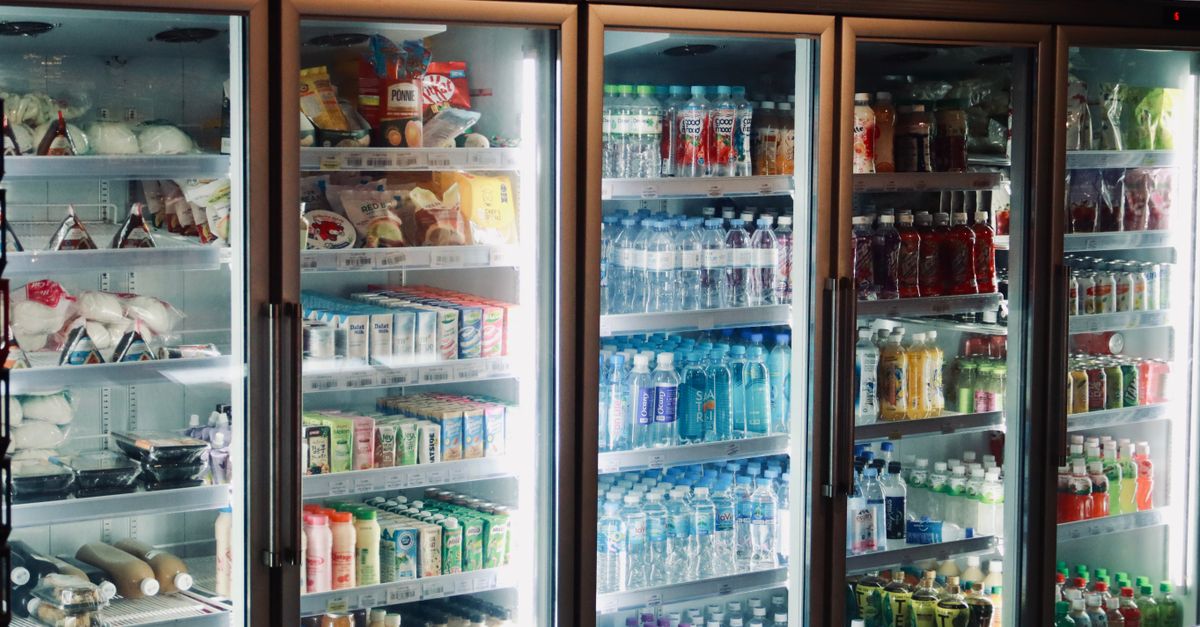
Dairy needs to live in the coldest, most stable zone of your walk-in, which is rarely at eye level. Cold air sinks. The bottom and back sections of your cooler are consistently colder than the front and top. When you store cream, milk, and cheese in the warmest zones because they are easy to grab, you are shortening their usable life every single day.
The fix is simple. Map your walk-in by temperature zones, not by convenience. Use an infrared thermometer to identify where the cold spots actually are. Then assign dairy to those zones permanently. Your team will adjust in two days. Your waste will drop immediately.
Mistake Two: Failing to Separate Raw and Ready-to-Eat Items
Cross-contamination is the mistake everyone knows to avoid, yet it keeps happening. Raw proteins drip. Produce sheds soil. And opened dairy products like cream containers, milk jugs, butter crocks, and unwrapped cheese are especially vulnerable when stored below these items.
Even sealed containers are not immune. Drips land on lids and bottle tops. When a cook opens that container later, contamination transfers to their hands, then to the product inside. A single drip from raw chicken onto a cream bottle cap can compromise an entire batch of sauce.
The rule is non-negotiable: raw items on bottom shelves, ready-to-eat items on top. But enforcement is where it breaks down. A busy Saturday night, a new hire, a moment of rushing, and suddenly chicken is stacked above open butter containers or cream that has been portioned for service.
The solution is physical systems that make mistakes harder to make. Color-coded shelving. Dedicated zones for opened dairy products that never hold raw items. Drip trays under every raw protein and produce container, checked and emptied daily. For opened or portioned cream, milk, and cheese, always use covered containers on upper shelves, never below raw ingredients.
Mistake Three: Ignoring FIFO in Favor of “Close Enough”
First in, first out. Everyone knows it. Most kitchens say they follow it. Few actually do.
What happens instead is “grab whatever is easiest.” The cream at the front gets used every time while older containers sit in the back. The buttermilk with three more days gets opened while the one expiring tomorrow sits untouched. Then you are throwing away product that could have been used with proper rotation.
When deliveries arrive, your supplier handles the initial rotation, putting new product behind existing stock. But between deliveries, maintaining that system falls on your team. The problem shows up when someone reaches for the fresher container just because it is more accessible, leaving older product to sit until it expires.
The fix is visibility and discipline. Keep dates facing forward so the earliest expiration is obvious. Train your team to check dates before grabbing, not after. Make it clear that “close enough” on rotation is the same as choosing to throw money away. When everyone understands that using the older cream first is not a suggestion but a standard, waste drops immediately.
Mistake Four: Overstocking Based on Deals Instead of Need
A supplier offers heavy cream at 20% off if you buy ten cases. It feels like free money. Then you spend two weeks racing to use it before it expires, eventually dumping half because the volume was never realistic.
Deals are only deals if you use the product. Otherwise, you are prepaying for waste. The math is simple: buying at 80% of cost and dumping 40% means you actually paid 133% for what you used. That is not a discount.
Smart inventory management means knowing your actual usage rate. Track how much cream you use in a normal week. Add a buffer for unexpected volume. That is your ceiling. If a deal pushes you past that number, it is not worth taking.
Mistake Five: Letting Temperature Fluctuations Go Unmonitored
Your walk-in is not as cold as you think. Door traffic during service raises temperature. Gasket failures let cold air escape. Overloaded shelves block airflow. Unless you are actively monitoring, you will not notice until product starts turning faster than it should.
Inconsistent temperature does not just shorten shelf life. It degrades quality in ways that affect your finished dishes. Cream that has been temperature-abused will not whip properly. Cheese develops off flavors. Butter softens and hardens in cycles that ruin texture.
The solution is wireless temperature monitoring with alerts. Set your range. Get notified the moment it drifts. A $200 monitoring system can save you thousands in wasted product and inconsistent quality.
What This Means for Your Kitchen
Dairy storage does not show up in reviews or Instagram posts. But it is one of the most direct lines between operational discipline and profitability. Restaurants that treat their walk-in like a system, organized and monitored with consistent enforcement, protect their margin every single week.
The changes are not complicated. They do not require capital investment. They require commitment to a standard and the consistency to maintain it. In a market where every dollar matters, the worst waste is the kind you never had to accept in the first place.