



Cheese boards are everywhere now, which makes them easy to dismiss as just another trend. But when executed thoughtfully, a well-designed cheese board program does something most menu items cannot. It creates a shareable experience, justifies premium pricing, and turns tables into Instagram content without any effort from your team.
The problem is that most restaurant cheese boards are either lazy afterthoughts or over-complicated showpieces that intimidate guests. The sweet spot is a board that looks impressive, tastes exceptional, and can be executed consistently by any team member on the floor.
Here is how to build one that drives traffic instead of collecting dust on your menu.
Start With Three Cheeses, Not Seven
The instinct is to load up the board. More variety feels more valuable. But three carefully chosen cheeses at proper portions deliver a better experience than seven cheeses that confuse the palate and overwhelm the guest.
Your selection should create contrast without chaos. One soft, one firm, one aged. This gives guests distinct flavors and textures to explore without requiring a sommelier certification to appreciate.
For Texas restaurants, that might look like: a creamy brie or camembert for richness, a sharp cheddar or aged gouda for bite, and a blue cheese or aged manchego for complexity. These are recognizable enough that guests feel comfortable but interesting enough to feel special.
Portion control matters more than variety. A generous serving of three great cheeses feels more premium than skimpy portions of five mediocre ones. Figure about 2 ounces per cheese per person for a shareable board. That creates real value without excessive food cost.
Build Around Seasonal Texas Ingredients
What elevates a good cheese board to a memorable one is not the cheese selection. It is the supporting cast. And the best supporting ingredients are the ones that connect to your location and season.
Texas peaches in summer, pecans from local groves in fall, Hill Country honey year-round. These elements tell a story that generic crackers and dried fruit cannot. They create a sense of place that guests remember and talk about.
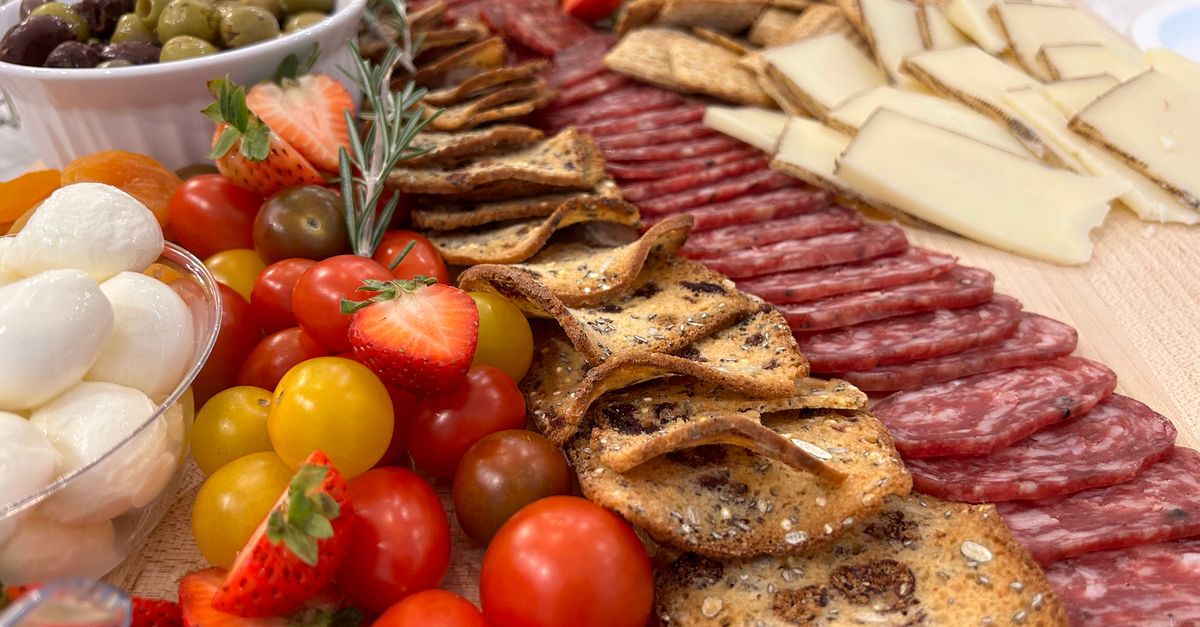
Fresh elements matter. A small pile of seasonal berries, sliced fresh figs, or local cherry tomatoes bring color and brightness that dried fruit lacks. They photograph better too, which matters when your goal is to drive social sharing.
Texas-made preserves and jams work beautifully with cheese. A local pepper jelly with aged cheddar, a fig preserve with blue cheese, a jalapeño jam with manchego. These pairings create flavor combinations guests would not build at home.
Make It Effortlessly Photogenic
Cheese boards live or die by their visual appeal. If it does not look worth photographing, it will not get ordered nearly as often. The good news is that photogenic does not mean complicated.
Use a wooden board or slate that creates contrast with the food. White plates make cheese look boring. Natural wood makes it look artisanal. The board itself becomes part of the presentation.
Create height and dimension. Stack crackers. Lean cheese slices against each other. Use small bowls for honey or jam rather than just dolloping it on the board. These small moves make the board look intentionally composed instead of randomly assembled.
Add fresh herbs for color. A small sprig of rosemary or thyme costs nothing and makes the board look finished. It signals care and attention to detail.
Leave some negative space. Overcrowded boards look messy and cheap. A board with room to breathe feels more premium even if it contains less product.
Price It Like the Experience It Is
Cheese boards should carry premium pricing. This is not just about covering food cost. It is about positioning the item correctly. When you price it like an appetizer, guests treat it like one. When you price it like a shared experience, they value it differently.
A well-executed cheese board for two should run between $28-$38 depending on your market. Yes, your food cost might only be $8-10, but you are not just selling cheese. You are selling curation, presentation, and a shareable moment. That justifies the margin.
Consider offering different size options. A small board for one person at $18-22, a medium for two at $28-32, and a large for groups at $42-48. This captures different occasions and check sizes without forcing one-size-fits-all pricing.
Train Your Team to Sell It
The best cheese board program fails if your team does not sell it. Train servers to suggest it specifically, not as part of a laundry list of appetizers.
Give them language that creates desire. Not “Would you like to start with an appetizer?” but “Our cheese board is perfect for sharing, and it changes with what is in season right now. Today we have…” That signals thoughtfulness and creates intrigue.
Teach them the pairings. When servers can confidently explain why the fig jam works with the blue cheese or why the local honey complements the aged gouda, guests trust the recommendation. Confidence sells.
Make it easy for them to upsell. A cheese board pairs naturally with wine. Train your team to suggest a bottle or a flight that complements the board. This increases check averages and enhances the experience.
Rotate It Seasonally
The fastest way to kill excitement around a cheese board is to never change it. Keep the structure consistent, three cheeses, seasonal accompaniments, but rotate the specific selections quarterly.
Spring might feature fresh chèvre, a mild aged cheese, and accompaniments like strawberries and local honey. Summer brings sharper cheeses that stand up to heat and pairs with stone fruit and spiced nuts. Fall is peak cheese season with aged selections, pecans, and apple preserves. Winter calls for rich, creamy cheeses with dried fruit and port-soaked figs.
These changes keep the menu fresh for regulars while maintaining operational simplicity. Your team always builds the same structure. Only the specific ingredients change.
The Business Case for Cheese Boards
Beyond the obvious food cost margins, cheese boards deliver value through several channels. They increase average check size. They keep guests at the table longer, often ordering additional drinks. They create memorable experiences that drive repeat visits. And they generate social media content that markets your restaurant without paid advertising.
A table that orders a cheese board typically spends 20-30% more than a table that skips appetizers. The board itself carries strong margins, and the additional beverage sales compound that profitability.
From a marketing perspective, few menu items photograph as well as a properly composed cheese board. When guests post these images, they are essentially providing free advertising to their networks. That organic reach is worth far more than the cost of the ingredients.
What This Means for Your Menu
A well-executed cheese board program does more than add another menu item. It elevates your restaurant’s reputation, creates high-margin revenue, and gives guests a reason to linger and spend more. It showcases your commitment to quality ingredients and thoughtful hospitality.
The investment is minimal compared to the return. A few quality cheeses, some thoughtful accompaniments, and a trained team can turn a cheese board into one of your most profitable and talked-about offerings. In a competitive market, that kind of distinction matters.